African Regional Intellectual Property Organization launches 18th cohort of master's in IP program
Date: 2025-08-19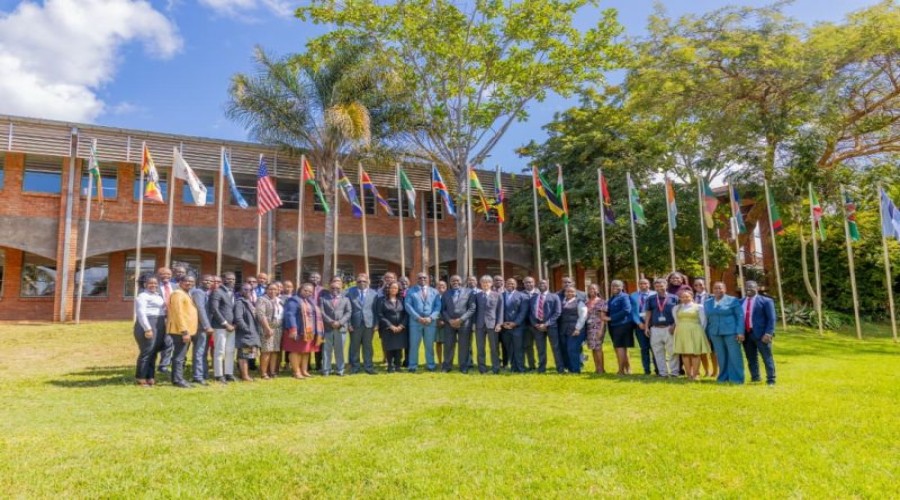
The African Regional Intellectual Property Organization (ARIPO) has officially welcomed the 18th cohort of its prestigious Master's Degree in Intellectual Property (MIP) program, reinforcing Africa's commitment to developing homegrown expertise in innovation protection and policy development.
This year's
intake brings together 29 promising students from 15 African nations,
demonstrating the program's continent-wide appeal and its role in fostering a
pan-African intellectual property (IP) ecosystem. The diverse cohort represents
the next wave of IP professionals who will shape legislation, drive
technological advancement, and bridge the gap between knowledge creation and
economic development across the continent.

ARIPO
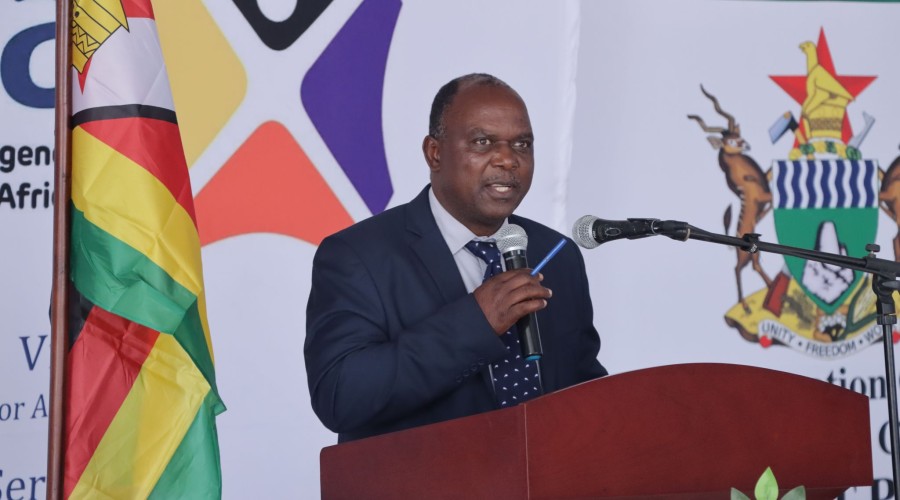
Director-General, Bemanya Twebaze noted the program's transformative impact
during the launch ceremony. "The MIP is more than an academic
qualification—it's a strategic investment in Africa's capacity to harness
innovation for sustainable development," he stated. "These
students will become the policymakers, educators, and industry leaders who
ensure intellectual property systems work for Africa's unique developmental
context."
The specialized
program results from a strategic partnership between Africa University, the
World Intellectual Property Organization (WIPO), and ARIPO, supported by the
Government of Japan through its Funds-in-Trust initiative. This collaboration
model has successfully produced over 400 graduates since the program's
inception, creating a powerful network of IP professionals influencing change
across the continent.
Recent data
reveals the program's far-reaching impact: Alumni hold key positions in
governments, international organizations including WIPO and ARIPO, and academic
institutions. Notably, MIP graduates now contribute over 60% of articles in the
ARIPO African Journal of Intellectual Property, establishing the program as a
thought leadership hub for IP scholarship in Africa.

The 18-month
curriculum combines theoretical foundations with practical applications,
covering patent systems, copyright frameworks, trademark protection, and the
intersection of IP with emerging technologies. Students will also examine how
robust IP systems can support Africa's ambitions in areas like pharmaceutical
manufacturing, creative industries, and Fourth Industrial Revolution
technologies.
By: Nana Appiah Acquaye