West Africa pushes satellite solutions to strengthen digital sovereignty at WAIIS 2026
Date: 2026-04-30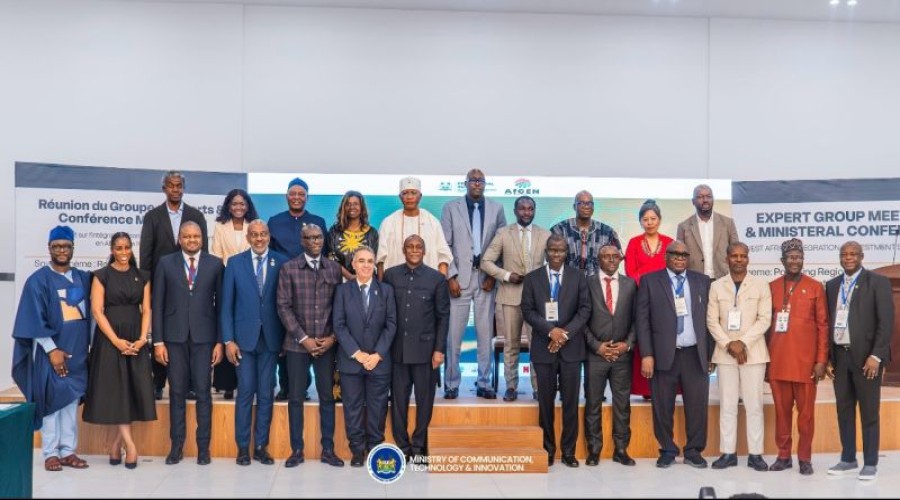
By: Nana Appiah Acquaye
West
African leaders are advancing the use of satellite technologies as part of a
broader strategy to secure digital sovereignty and strengthen regional
integration, discussions at the 2026 West Africa Economic Integration and
Investment Summit (WAIIS) in Freetown have shown.
The summit brought together policymakers and industry
stakeholders to explore how digital infrastructure can better connect key
sectors such as energy, agriculture, and telecommunications across borders. A
central theme was the need for resilient, regionally controlled systems capable
of supporting economic integration.

Sierra Leone’s Minister of
Communication, Technology and Innovation, Salima
Monorma Bah, emphasized that satellite infrastructure would play a
critical role in addressing vulnerabilities exposed by recent subsea cable
disruptions, which led to internet outages in parts of the region. She noted
that reliance on limited international connectivity routes underscores the
urgency of developing alternative systems, including satellite networks, to
ensure continuity and resilience.
Bah warned that West Africa risks
falling behind in the global artificial intelligence landscape, partly due to
insufficient local data infrastructure and limited control over digital
systems. She stressed that satellite-enabled connectivity can support the
deployment of data-driven technologies by extending reliable access to
underserved areas and enabling secure data exchange across borders.
The minister also highlighted the
proposed Data Embassy framework, which allows countries to host critical data
in neighboring states while retaining legal sovereignty over that information.
Satellite systems are expected to complement such initiatives by providing
secure and redundant communication links necessary for cross-border data
management.

Participants at the summit agreed
that no single country can address digital infrastructure challenges in
isolation, calling for coordinated regional investment in satellite and
terrestrial networks. The approach is seen as essential to reducing dependency
on external systems, improving service delivery, and enabling the region to
compete more effectively in emerging digital sectors.
The
discussions underscored growing consensus that integrating satellite
technologies into West Africa’s digital architecture will be key to achieving
long-term resilience, sovereignty, and inclusive economic growth.