Namibia unveils national campaign for responsible social media use
Date: 2025-08-15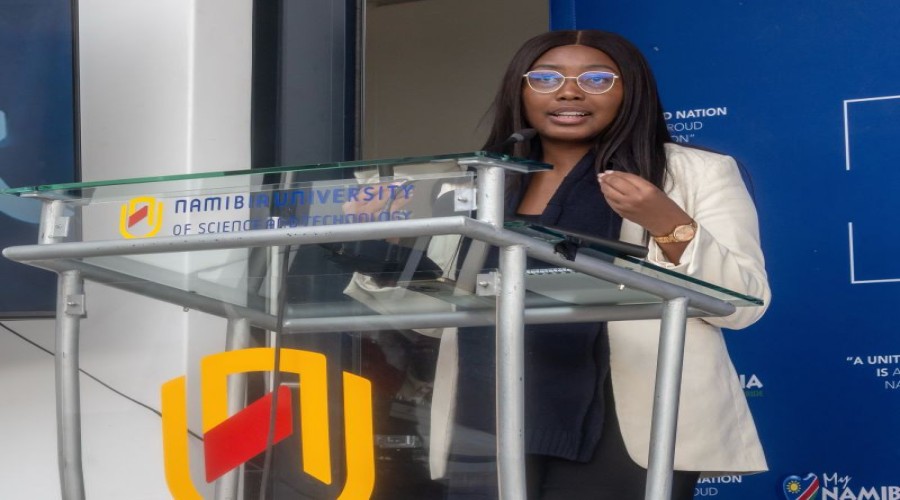
The Namibian government has initiated a crucial national dialogue on digital citizenship with the launch of its Ethical Use of Social Media campaign. Minister of Information and Communication Technology, Emma Theofelus in her keynote address challenged citizens to confront the darker aspects of digital platforms while harnessing their transformative potential.
The campaign
comes as Namibia grapples with rising cases of online misinformation, data
privacy breaches, and technology-related mental health concerns among its
workforce. She framed the initiative as a necessary counterbalance to the
country's rapid digital adoption, emphasizing that "with great
connectivity comes great responsibility."

The
multi-stakeholder campaign will roll out through three strategic pillars:
digital literacy programs in schools and workplaces, partnerships with platform
providers to enhance local content moderation, and the development of
Namibia-specific social media guidelines. The ministry plans to collaborate
with mental health professionals to address technology-induced anxiety and
depression emerging in the workplace.
This
intervention positions Namibia among a growing cohort of African nations taking
proactive measures to mitigate social media's societal impacts. Unlike
restrictive approaches seen elsewhere, Namibia's framework emphasizes citizen
empowerment through education rather than censorship.

As digital
platforms become increasingly entrenched in Namibian life, with social media
penetration exceeding 40% the campaign seeks to cultivate what Theofelus termed
"digitally wise communities." The initiative's success could provide
a model for balancing digital opportunity with psychosocial protection across
the continent.
The ministry also
confirmed plans to expand the program nationwide by early 2026, incorporating
grassroots feedback to ensure culturally-relevant solutions to Namibia's unique
digital challenges.
By: Robert Annor