By: Robert
Kwaku Annor
Ghana’s economic zones could
become major engines of investment, industrialisation and job creation if they
are more deliberately connected to domestic businesses, skills, innovation and
local supply chains, the United Nations Development Programme (UNDP) has said.
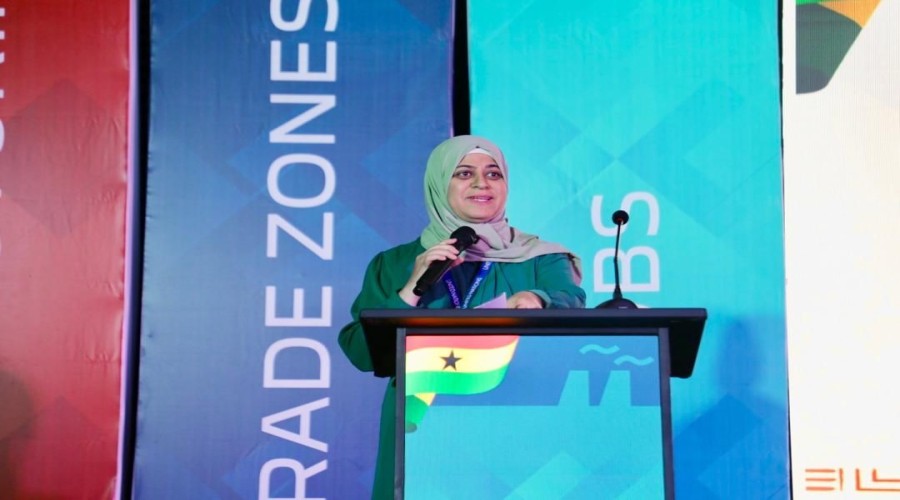
UNDP Ghana Deputy Resident
Representative Shaima Hussein made the observation at the Economic Zones Policy
Roundtable, where stakeholders examined ways to strengthen Ghana’s economic
zones and position them to compete more effectively under the African Continental
Free Trade Area (AfCFTA).
Hussein said economic zones
should not operate as isolated investment enclaves but as platforms that
connect production, innovation, local enterprises and regional markets.
She identified stronger
linkages between economic zones and domestic enterprises as important to
increasing local participation, strengthening supply chains and creating
opportunities for Ghanaian businesses to access wider African markets.
UNDP is supporting this
transformation through initiatives focused on strengthening the business
ecosystem, connecting Ghanaian firms to African markets, advancing
digitalisation and innovation, and mobilising private capital for high-impact
opportunities.
The organisation said
stronger integration of economic zones with local businesses and skills could
help increase production capacity, stimulate innovation and support export
growth.
Digitalisation and
innovation are expected to play an important role in strengthening the
competitiveness of enterprises operating within and around the zones, while
improved access to finance could help businesses scale and participate more
effectively in regional value chains.