By:
Nana Appiah Acquaye
The
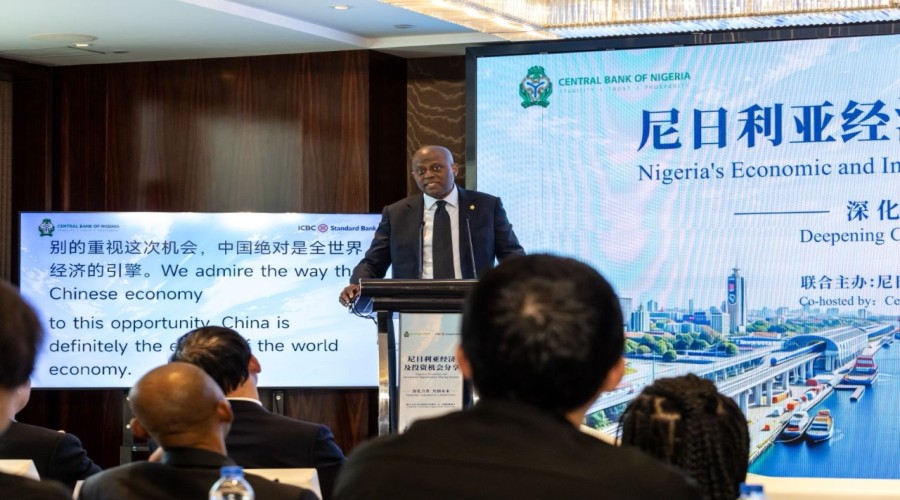
GSMA Africa has renewed calls for urgent, coordinated intervention to address
smartphone affordability across the continent, following a high-level Digital
Africa Summit Roundtable held during MWC26 Shanghai on 24 June.
The
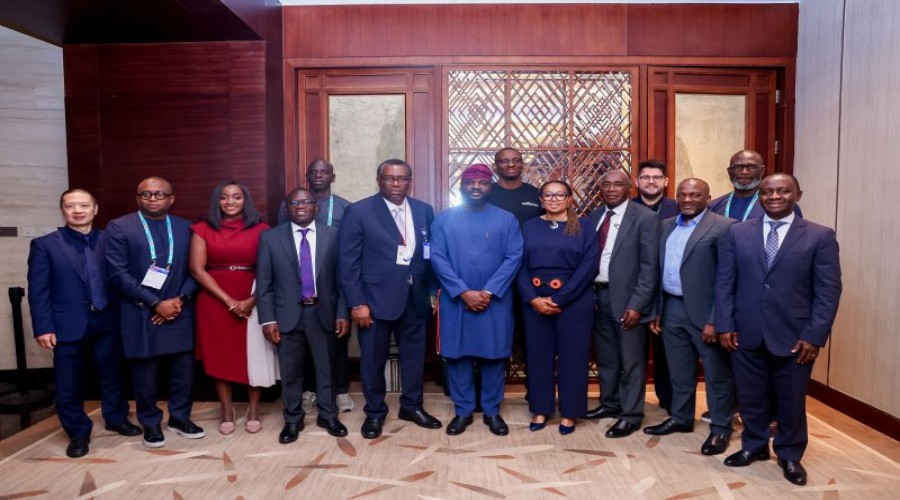
session brought together ministers, regulators, and industry leaders to
confront what GSMA describes as one of the most persistent barriers to digital
inclusion in Africa: the high cost of internet-enabled devices relative to
income levels.
Convened
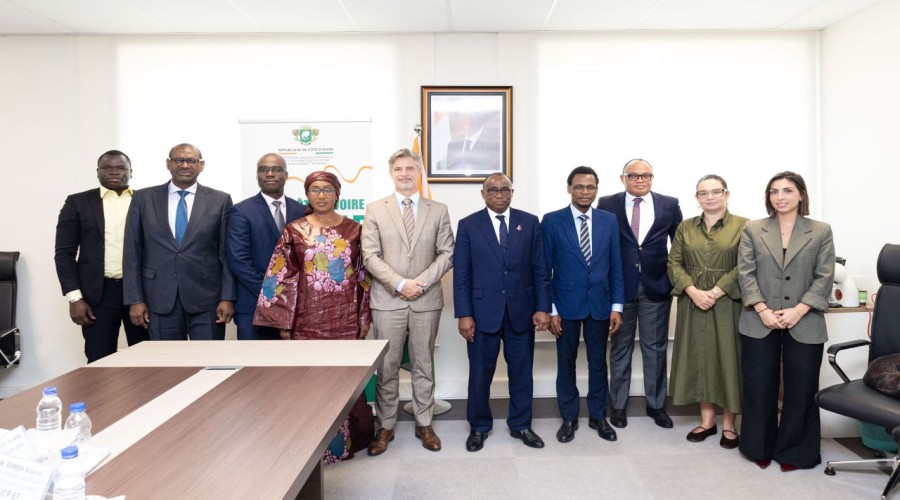
by GSMA Africa leadership, the discussion was led by Angela Wamola and Caroline
Mbugua, bringing together key stakeholders including Idris Olorunnimbe,
Chairman of the Nigerian Communications Commission, Steve Isaboke, Principal
Secretary for Broadcasting and Telecommunications at Kenya’s Ministry of ICT,
Evans Silavwe, CEO of Infratel Corporation, and Barthe N’TSHABALI, Senior
Policy Manager for Central Africa at GSMA, alongside manufacturers, operators,
and development partners.
According
to data presented during the session, 63 percent of Africans live within mobile
broadband coverage but remain offline, largely due to affordability
constraints. Participants noted that smartphones can cost up to 80 percent of a
low-income household’s monthly income, while taxes and import duties can
increase retail prices by 30 percent or more. The mobile sector alone
contributed an estimated $20 billion in device-related duties to public
revenues across Africa in 2025.
GSMA
Africa emphasized that the conversation moved beyond diagnosis toward
actionable commitments. Reflecting on the discussions, Angela Wamola noted that
the Nigerian Communications Commission signaled openness to supporting
manufacturers willing to establish local smartphone production in Nigeria,
offering incentives aimed at encouraging investment. She also highlighted the
importance of developing practical device financing models to improve access.
Caroline
Mbugua stressed the strategic importance of affordability in shaping Africa’s
digital future, noting that Kenya is currently developing its national AI
policy. She argued that digital inclusion is a prerequisite for any AI-driven
economy, stating that affordability is not separate from digital transformation
but central to it.
The
roundtable underscored the need for a coordinated ecosystem response involving
governments, regulators, manufacturers, and financing partners. GSMA Africa
called for policy reforms aimed at reducing device taxation, expanding
investment incentives, strengthening digital literacy, and aligning national AI
strategies with affordability frameworks.
The
organisation concluded that bridging the smartphone access gap is essential for
unlocking broader digital economic growth across Africa, and that isolated
interventions will be insufficient without sustained multi-stakeholder
collaboration.