By: Kanto
Kai Okanta
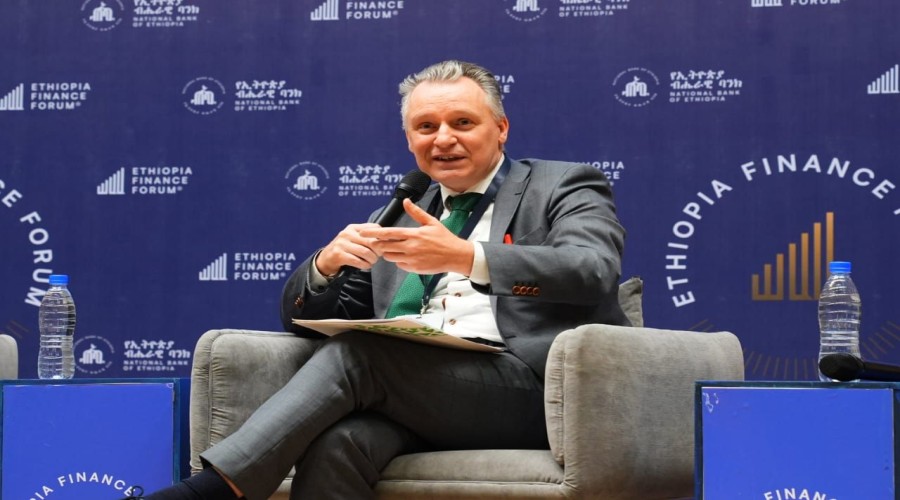
M-PESA Ethiopia CEO Wim
Vanhelleputte has said Ethiopia’s foreign exchange reform is creating
opportunities for local manufacturing, supply-chain development and investment,
despite short-term financial pressures on businesses adjusting to the new
market environment.
Speaking during a panel
discussion on foreign exchange market reform, capital-market development and
Ethiopia’s integration with global markets at the Ethiopia Finance Forum 2026,
Vanhelleputte described the transition as “short-term pain and long-term gain.”
He explained that the reform
had forced businesses operating under the previous foreign exchange environment
to reassess their financial accounts and business costs to reflect market
realities.
However, he said improved
access to foreign exchange could enable local companies to import raw
materials, manufacture goods domestically and provide products and services in
local currency.
Vanhelleputte highlighted
the potential for greater local participation in manufacturing, infrastructure,
goods and services, and the development of local talent, creating opportunities
for job creation and value addition within the Ethiopian economy.
He also stressed the
importance of adjusting revenues and pricing to reflect investment costs.
According to him, the ability to see dividends being paid and foreign exchange
becoming available has strengthened investor confidence.
The discussion also
addressed the broader policy implications of foreign exchange reform and
capital flows. Anteneh Geremew, Director of the Economic Policy Directorate at
the National Bank of Ethiopia, emphasised the need to manage different forms of
capital flows according to their characteristics.
He also highlighted the
importance of strengthening market infrastructure, data systems, regulatory
frameworks and oversight as Ethiopia continues to develop its financial markets
and deepen integration with the global economy.