Regional workshop in Tanzania advances data-driven implementation of Women, Peace and Security agenda
Date: 2026-05-05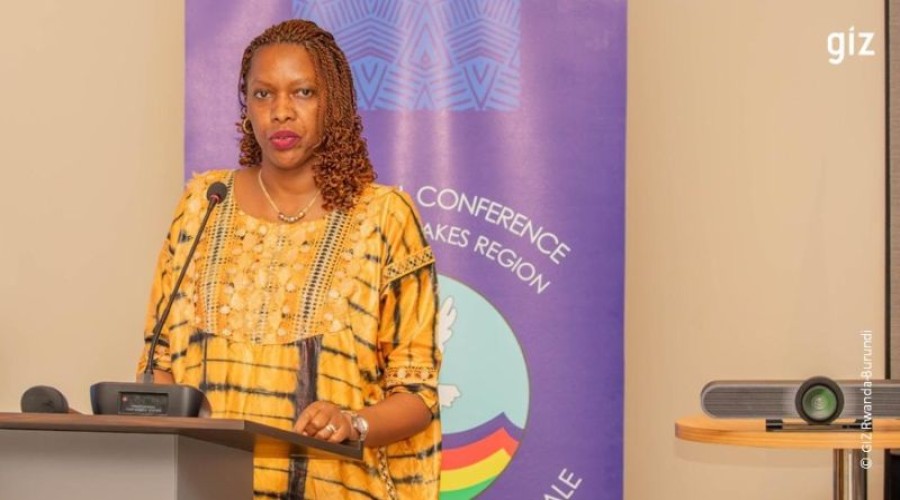
By: Kanto Kai Okanta
A
regional capacity-building workshop aimed at strengthening the implementation
of the Women, Peace and Security (WPS) agenda across the Great Lakes region has
concluded in Dar es Salaam, marking the final phase of a three-part training
programme under the iWPS project.
The
initiative supports the rollout of the ICGLR Regional Action Plan on Women,
Peace and Security (RAP II), with a focus on improving how data and evidence
are translated into actionable policy decisions and measurable impact.

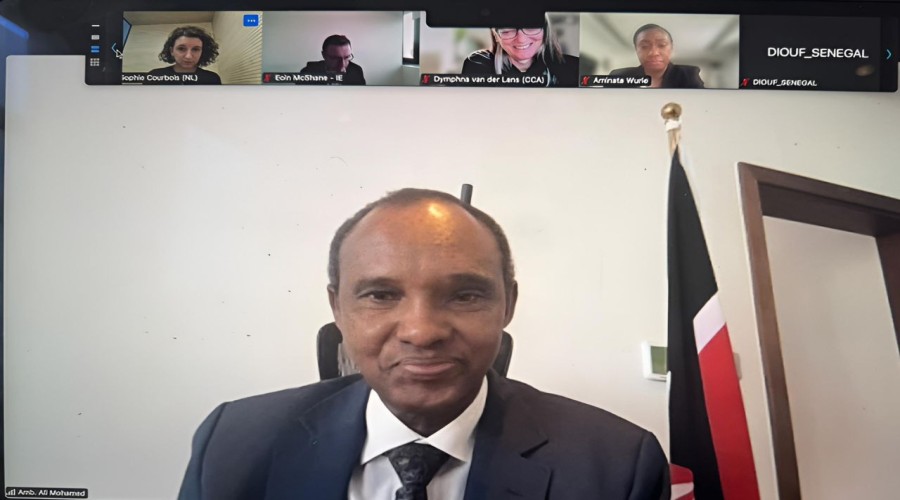
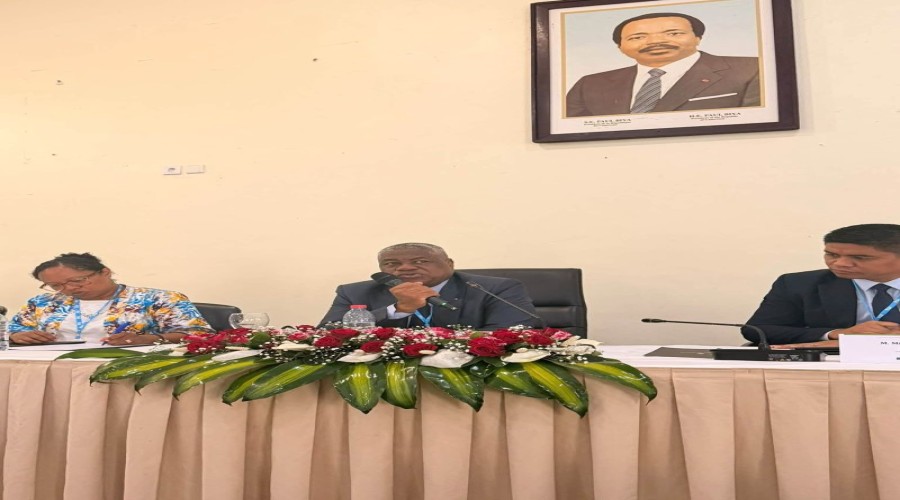
Held
from April 27 to 29, the workshop brought together Gender Focal Points and
regional stakeholders to enhance their capacity in reporting, strategic
communication, and the use of monitoring and evaluation (M&E) findings. The
training builds on earlier phases that addressed results monitoring and
coordination, completing a structured approach to strengthening WPS
implementation systems.
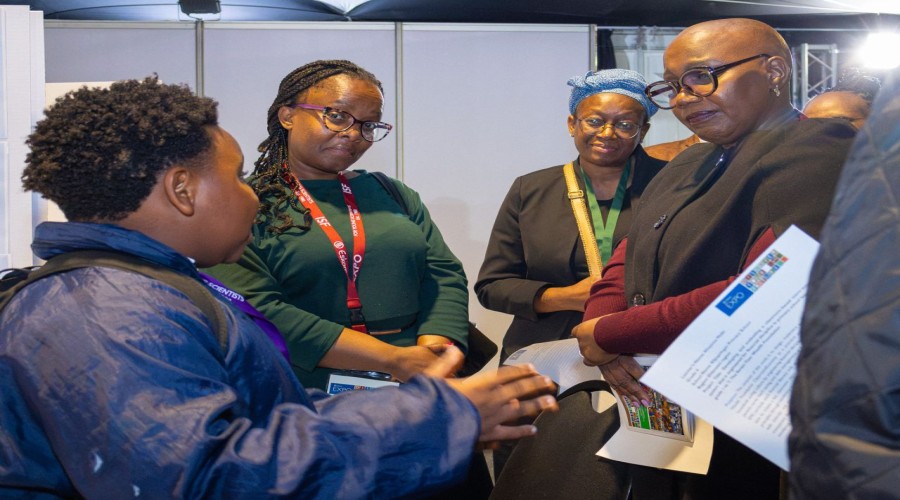
Participants
were trained to transform data into clear, targeted reports and advocacy tools
capable of informing decision-making processes and improving accountability
mechanisms. Organisers emphasized that effective implementation of the WPS
agenda requires not only data collection but also the ability to communicate
outcomes in ways that influence policy and public engagement.
The
workshop highlighted the importance of linking evidence to action, noting that
monitoring systems should serve as tools for decision-making rather than purely
technical exercises. It also underscored the role of strategic communication in
ensuring that progress and outcomes are visible to key stakeholders across the
region.

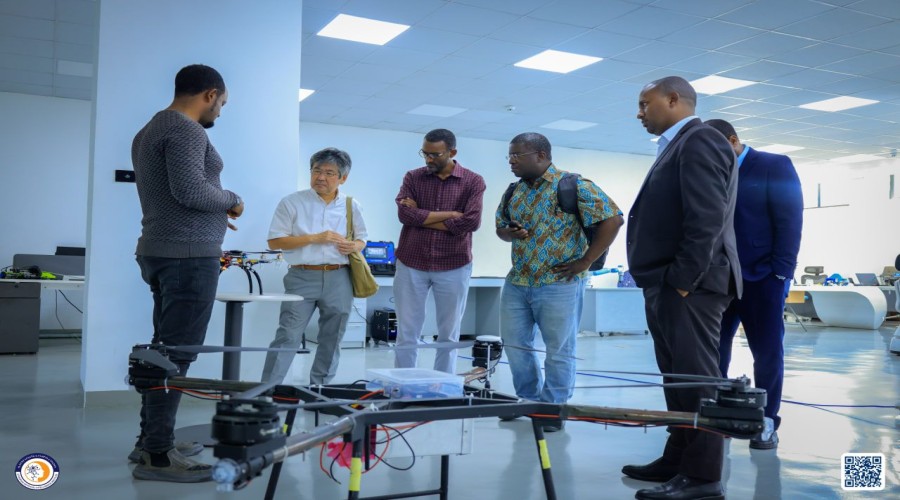
The
programme further demonstrated how integrating field data, impact narratives,
and targeted messaging can strengthen advocacy efforts and enhance the overall
effectiveness of WPS interventions.
The
training was supported by the International Conference on the Great Lakes
Region through its Levy Mwanawasa Regional Centre, which provided monitoring
frameworks and tools, alongside contributions from GIZ Tanzania and the East
African Community.
Stakeholders
noted that strengthening the link between data, communication, and policy
action will be critical to achieving sustainable outcomes under the WPS agenda,
particularly in a region facing complex security and development challenges.