By: Van
Soul Addey
Egypt aims to increase
annual digital exports to $12 billion, create 200,000 new jobs and raise the
information and communications technology (ICT) sector’s contribution to gross
domestic product (GDP) to 8% by 2030, as part of its Digital Egypt strategy.
Minister of Communications
and Information Technology Raafat Hendy outlined the targets while reviewing
progress on the Digital Egypt strategy and its roadmap to 2030 during a
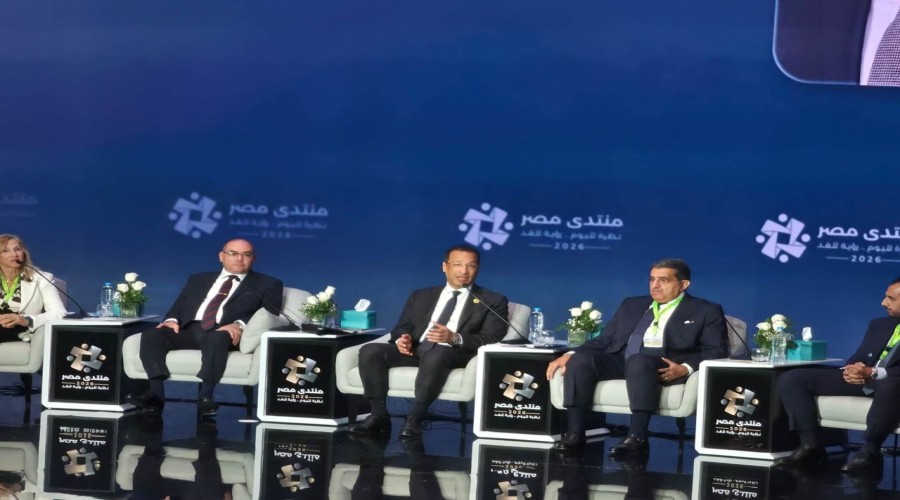
high-level session at Egypt Forum 2026, held under the patronage of President Abdel
Fattah El-Sisi.
The government’s objectives
include expanding digital government services, increasing investment in
telecommunications infrastructure, developing specialised technology skills and
strengthening the country’s digital sovereignty.
Egypt plans to increase the
number of services available on the Digital Egypt platform from around 250 to
400 by 2030, while expanding its user base to between 30 million and 35 million
citizens. The strategy also aims to extend fibre-optic connectivity to more
than 55% of households and deliver 5G network coverage across all governorates.
In terms of economic
empowerment, the plan seeks to create 200,000 new job opportunities, including
high-value-added positions in technology and artificial intelligence (AI), and
enable 250 startups to develop AI applications.
Hendy said the next phase of
the strategy rests on two main pillars: the Ministry of Communications and
Information Technology’s commitment to citizens and its strategic
responsibilities towards the government and the national economy.
During the session, he
emphasised that the ICT sector had become a key driver of Egypt’s development
and competitiveness, particularly as technology becomes increasingly integrated
into everyday life. He attributed the sector’s achievements to the combined
efforts of government institutions and private-sector companies.
“Citizens are at the center
of digital transformation,” Hendy explained, adding that technology could only
achieve its intended impact when people possessed the digital skills needed to
adapt to a changing world, embrace lifelong learning and demonstrate creativity
and innovation.
The minister outlined four
priorities guiding the ministry’s human development strategy, which has been in
place since 2014. These include creating high-value-added employment
opportunities, ensuring access to affordable and high-quality telecommunications
services, expanding digital government services and equipping citizens with
digital skills.
Egypt’s outsourcing industry
has grown rapidly and attracted investment from global companies. The sector
comprises around 280 centres employing 200,000 people, with roughly 80% of its
business exported overseas.
Egypt has also ranked first
in Africa for fixed broadband speeds for six consecutive years, Hendy noted,
citing continued investment in telecommunications infrastructure.
The government and private
sector have invested more than EGP 600 billion in telecommunications
infrastructure over the past decade, supporting network development and the
replacement of copper cables with fibre-optic cables nationwide.
Around 20,000 government
buildings have been connected to the fibre-optic network, alongside
approximately 5.5 million fibre-optic lines. The country aims to add another
one million lines annually.
Mobile network coverage has
also expanded through the addition of more than 3,000 cell towers each year and
the allocation of additional spectrum to operators. Telecommunications
companies have invested more than $6 billion in acquiring spectrum over the
past 10 years, according to Hendy.
Infrastructure development
has extended to villages covered by the presidential Decent Life initiative,
which benefits 60 million citizens. Projects include laying fibre-optic cables,
improving mobile network coverage, upgrading post offices and delivering
digital literacy programmes.
Egypt is also expanding its
international telecommunications infrastructure. Ten new submarine cables have
been installed over the past decade, with six more under construction,
alongside expanded cable landing stations and routes intended to ensure uninterrupted
international services.
The minister said 24
innovation hubs had been established across different governorates to nurture
innovative ideas, incubate startups and train young people. The hubs are
intended to strengthen the supply of qualified talent for offshoring, software
development and electronics manufacturing.
More than two million
citizens have benefited from digital capacity-building initiatives over the
past decade. These include the Digital Egypt Generations initiatives and
Digilians, implemented in collaboration with the Egyptian Military Academy to
combine specialised technology training with efforts to foster national
awareness and reinforce national identity.
Hendy reaffirmed the
ministry’s commitment to keeping pace with technological advancements and
expanding the use of AI to improve government services and deliver proactive
services to citizens. He said ongoing skills development and continuous
learning were essential to adapting to AI-driven changes in the labour market.
Digital sovereignty was
another major focus of the session. Hendy described it as the ability of a
country to exercise full, independent and sustainable control over its
infrastructure, data and strategic services, while protecting national
security, economic interests and citizens’ rights.
He noted that digital
sovereignty did not mean disengagement from the global technology ecosystem,
but rather international engagement guided by established frameworks,
regulations and standards. Given varying levels of technological
interdependence worldwide, he said, absolute digital sovereignty remained an
unrealistic benchmark for any nation.
Achieving digital
sovereignty, he added, depended on five key pillars: sovereign infrastructure,
cybersecurity, AI, data protection and the development of specialised national
talent. Expanding domestic technology industries and diversifying supply chains
were also important to strengthening the country’s capabilities.
As part of its longer-term
plans, Egypt intends to establish five to seven major data centres over the
next four to five years. Some are expected to become operational and begin
exporting services in 2030, while work continues on the remaining facilities.
The strategy also includes
preparing national talent in advanced technologies and quantum computing, as
well as increasing domestic mobile phone manufacturing capacity to 30 million
devices to meet local demand and support exports.
Hendy stressed that human
development remained the ministry’s top priority as Egypt pursues its digital
transformation objectives.
The session, moderated by
television presenter Ossama Kamal, also featured Assistant ICT Minister for
Digital Transformation Mahmoud Badawi, Secretary-General of the Supreme
Committee for the Digital Transformation of Judicial Bodies and Entities Wadie
Hanna, and Chairman and CEO of eFinance Investment Group Ibrahim Sarhan.
Other participants included
technology specialists, representatives of the private sector and academia, and
graduate of WE Applied Technology Schools Melissa Medhat. Discussions covered
financial inclusion, digital payments, judicial digital transformation, data
protection, cybersecurity, AI applications and the development of
high-technology industries.
The forum reviewed the
progress made in technological infrastructure and the key targets of the
Digital Egypt strategy through 2030, as the government seeks to expand digital
services, strengthen the technology sector and increase its contribution to the
national economy.