By: Nana
Appiah Acquaye
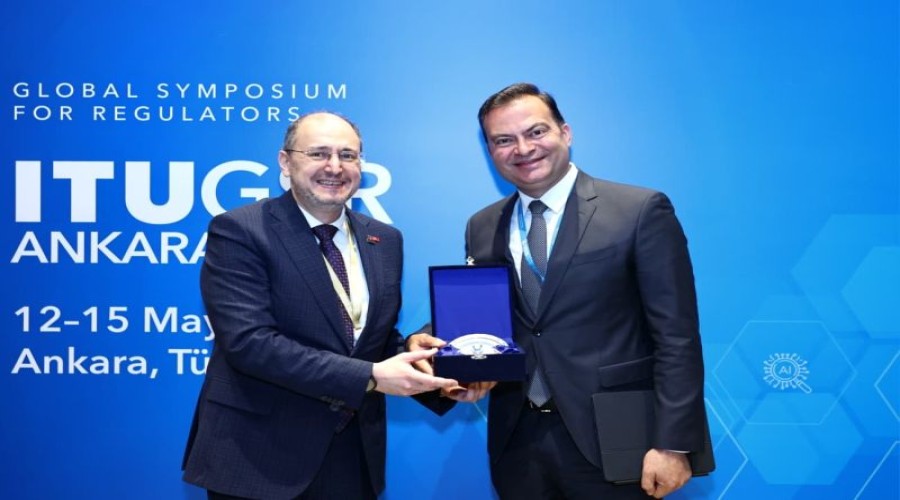
GSMA has emphasized the need
for coordinated policy and industry action to fully unlock the social and
economic potential of mobile networks during discussions at the Global
Symposium for Regulators 2026.
Speaking through its Chief
Strategy Officer Hakan Dursun, the organisation highlighted that while mobile
broadband now reaches an estimated 96 percent of the global population,
billions of people remain unconnected due to persistent usage gaps.
The discussions, which
brought together regulators and policymakers from around the world, focused on
three key priorities for expanding meaningful connectivity and accelerating
digital inclusion.
The GSMA noted that shared
responsibility among governments, industry and international partners is
essential to closing the digital usage gap, with potential gains of up to $3.5
trillion in global GDP by 2030 if inclusion efforts are accelerated.
Participants also discussed
the role of shared technologies in extending connectivity, including the
integration of terrestrial and satellite networks as well as emerging
direct-to-device technologies. However, stakeholders noted that updated policy
and spectrum frameworks are needed to support innovation and sustainable
investment in these areas.
Infrastructure sharing was
also identified as a key enabler for reducing deployment costs and accelerating
network expansion, particularly in commercially challenging or underserved
regions.
According to the GSMA, these
approaches must be implemented as part of a broader, coordinated strategy
rather than as standalone solutions in order to achieve meaningful and
sustainable impact.
The organisation expressed
appreciation to the International Telecommunication Union and Türkiye’s
Information and Communication Technology Authority for convening the forum and
facilitating global dialogue on the future of digital connectivity.