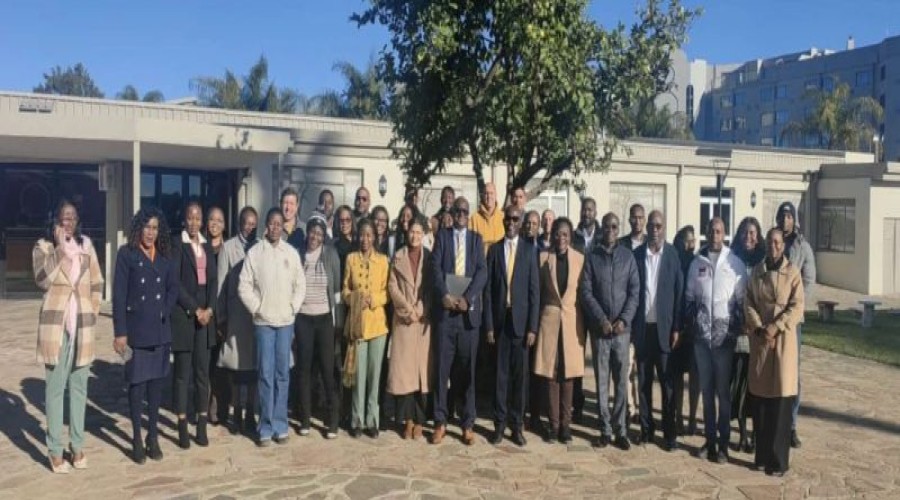
Namibia has
joined the growing list of African nations adopting advanced digital solutions
for development project management through the implementation of the Remote
Appraisal, Supervision, Monitoring and Evaluation system. This cutting-edge
technology represents a significant shift in how development initiatives are
tracked and evaluated across the continent.
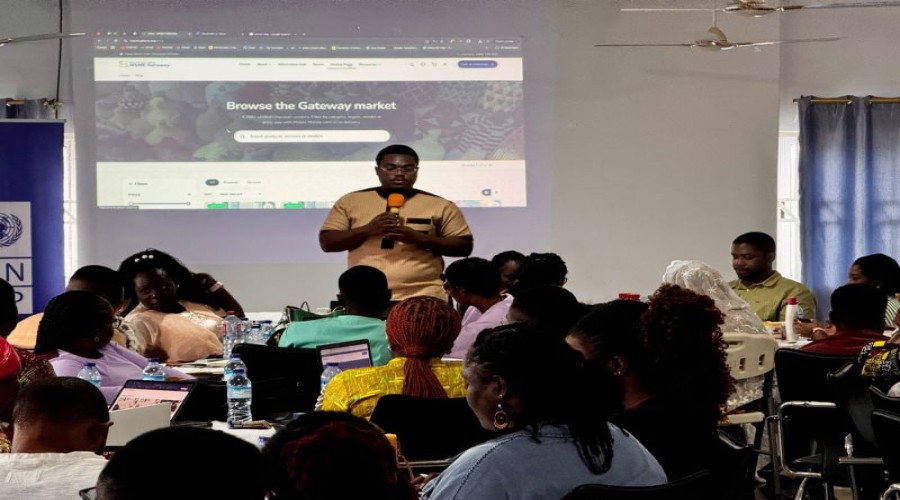
The RASME
initiative utilizes digital technology to capture real-time project data
directly from implementation sites, effectively eliminating traditional
barriers that have historically challenged effective project oversight. The
system provides unprecedented access to accurate, up-to-date information that
enables more responsive management and better decision-making throughout
project lifecycles.
Executive
Director at Namibia's Ministry of Finance, Michael Humavindu, emphasized the
timeliness of this technological advancement. "The AfDB RASME IT
solution comes at an opportune time as it uses new information and
communication technologies to optimize the collection, analysis, and management
of data within the framework of project preparation, evaluation, and
supervision," he stated.
The African
Development Bank, which is supporting the initiative, sees RASME as a crucial
tool for enhancing development outcomes. Principal Regional Coordinator,
Fidelis Mnyanyi confirmed the Bank's continued commitment to supporting
inclusive growth in Namibia through effective project implementation and
oversight. "RASME will enhance how we collect, verify, and use project
data, enabling faster decision-making, stronger supervision, and more visible
results on the ground," Mnyanyi explained.
The system
aligns with the African Development Bank's High-5 priorities, which focus on
key development areas including energy, agriculture, industrialization,
integration, and improved quality of life. By providing more accurate and
timely data, RASME helps ensure that projects remain aligned with these
strategic objectives while delivering measurable impacts for local communities.
By: Robert Annor