By: Nana
Appiah Acquaye
The African Centre of
Meteorological Applications for Development (ACMAD) has highlighted the
importance of reliable climate forecasts, multi-hazard early warning systems
and anticipatory action in strengthening Africa’s water security and climate
resilience.
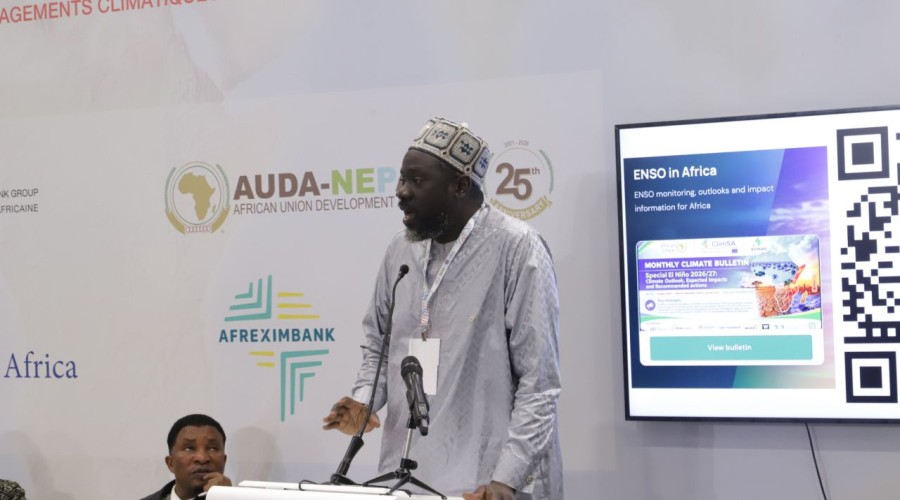
ACMAD Director General, Dr
Ousmane Ndiaye, delivered a strategic briefing on the 2026–2027 El Niño outlook
and its implications for Africa during Africa Day at the 31st United Nations
Climate Change Conference (COP31) in Antalya, Türkiye.
The event, held at the
Africa Pavilion in the Blue Zone, focused on the theme, “Securing Africa’s
Water – Unlocking the Continent’s Climate Resilience Goals”.
Dr Ndiaye also addressed the
need to accelerate multi-hazard early warning systems and anticipatory action
to help African countries better prepare for and respond to climate-related
risks.
ACMAD said the discussions
underscored the importance of water in understanding the continent’s exposure
to climate risks, noting that reliable forecasts and early warnings were
essential to helping countries plan, protect lives and safeguard investments.
“Water is where climate risk
is felt first,” the centre stated, emphasising the role of meteorological
information in supporting climate preparedness and resilience.
The Africa Day event brought
together the African Union Commission and key continental development and
financial institutions, including the African Development Bank Group (AfDB),
African Export-Import Bank (Afreximbank), United Nations Economic Commission
for Africa (UNECA) and the African Union Development Agency-NEPAD (AUDA-NEPAD).
Their participation provided
a platform for discussions on strengthening continental cooperation and
mobilising support for Africa's climate resilience priorities, particularly
water security.
ACMAD expressed appreciation
to the African Union Commission, AfDB, Afreximbank, UNECA, AUDA-NEPAD and other
participants for their contributions to the discussions.