By: Nana
Appiah Acquaye
South African National Space
Agency (SANSA) Chief Executive Officer Humbulani Mudau has called on African
national space agencies to take a more active role in developing competitive,
innovative and sustainable space industries, arguing that the growth of the
commercial space sector should prompt agencies to redefine and elevate their
responsibilities.
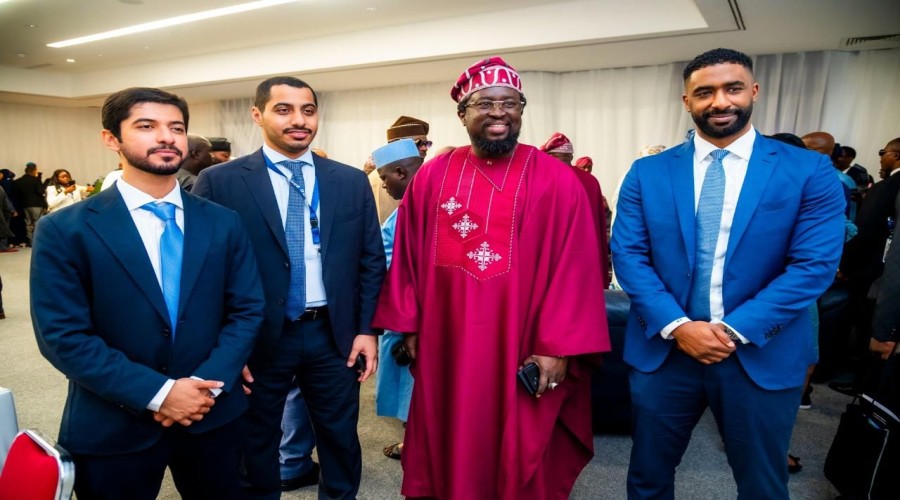
Mudau made the call while
co-chairing the Global Space Economy Leaders’ Summit alongside Professor
Matthew Olumide Adepoju at the African Space Economy, Innovation and
Communication Conference (ASEICC 2026) in Abuja, Nigeria.
In his address, Mudau
reflected on Africa’s progress in developing its space capabilities and the
institutional transformation required to unlock the next phase of growth in the
continent’s space sector.
He said national space
agencies must increasingly move beyond developing and operating space
technologies to creating the conditions for African space industries to
flourish.
“The growth of the
commercial space sector does not diminish the relevance of national space
agencies. It challenges us to redefine and elevate our role,” Mudau said.
He outlined four priorities
for national space agencies, including creating market demand for
African-developed space solutions through strategic public procurement,
enabling African companies to compete meaningfully for space-related contracts,
nurturing innovation ecosystems that support emerging enterprises and
commercialisation, and making existing space infrastructure and technical
capabilities more accessible to industry.
Mudau also emphasised the
importance of collaboration among African states, noting that their space
programmes are at different stages of development, creating opportunities for
joint research, knowledge exchange, shared learning and technological co-development.
He said connecting
scientists, engineers, research institutions and industries across the
continent could accelerate innovation, strengthen collective capabilities and
support the development of competitive African solutions to shared challenges.
“Africa is not short of
scientific talent, intellectual capacity or entrepreneurial ambition. Our
opportunity now is to harness these strengths collectively and translate them
into industrial growth, employment and sustainable economic value,” he said.
Mudau expressed appreciation
to Professor Matthew Adepoju, Nigeria’s National Space Research and Development
Agency (NASRDA), fellow African space agency leaders and international partners
for advancing discussions on the continent’s space economy.
He stressed that Africa must
move beyond participating in the global space economy to playing a greater role
in shaping its direction and ensuring that the economic benefits of the sector
are generated and retained on the continent.
“Africa must not simply
participate in the global space economy. We must increasingly help shape it,
while ensuring its economic benefits are created and retained on our
continent,” he said.