By: Kanto
Kai Okanta
Microsoft South Africa has
highlighted digital sovereignty as a defining issue in the AI era, outlining
six dimensions it says governments and regulated organisations need to consider
as they seek to protect data, maintain control and adopt emerging technologies.
The company made the case
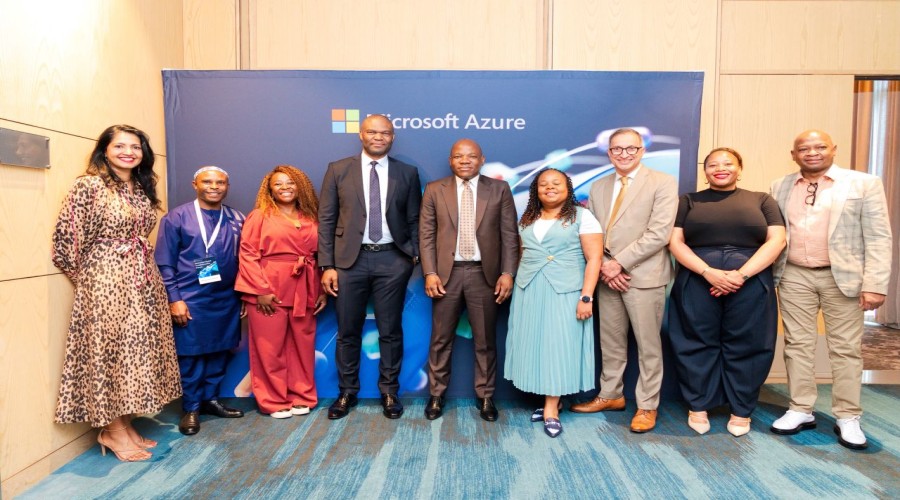
during a GovTech breakfast for senior government officials focused on
Microsoft’s commitment to digital sovereignty. The session was sponsored by
Public Sector Director Lerato Mathabatha and hosted by Government Affairs Lead
Abongile Vanda.
Microsoft South Africa CEO
Vukani Mngxati laid the foundation around trust and controls, while lead
architect Warren du Toit demonstrated how sovereign controls can be built.
Olivia Phaahla also engaged Microsoft customers Tumelo Zwane, Bongumusa Zondo, Charl
Amin and Ntsako Baloyi on what they consider necessary for effective digital
sovereignty.
In a keynote presentation,
Commercial Solutions Officer and AI Officer at Microsoft South Africa Ravi Bhat
said true sovereignty encompasses six dimensions: data sovereignty, control
sovereignty, operational sovereignty, AI sovereignty, resilience sovereignty
and assurance sovereignty.
Bhat said governments and
regulated organisations face the challenge of balancing sovereignty, resilience
and innovation simultaneously. Sovereignty involves protecting data, control
and jurisdictional requirements, while resilience focuses on ensuring critical
services remain available under all circumstances. Innovation, meanwhile,
requires continued access to frontier AI technologies without falling behind.
He said sovereignty should
not be viewed as a binary choice, but rather as a continuum of controls,
architectures and operational models determined by workload classification,
risk and regulatory obligations.
According to Bhat,
successful sovereign cloud journeys begin with understanding the information
being protected, the controls required and the evidence regulators will demand.
Microsoft South Africa said
its digital sovereignty offering includes two Azure regions located in South
Africa, enabling production and disaster recovery within the country. It also
highlighted sovereign cloud deployment options across public, connected private
and disconnected private environments, alongside customer control of identity,
encryption keys, policies and administrative access.
The company further pointed
to security, compliance and audit capabilities designed to provide evidence for
governance and regulatory requirements. Microsoft said it has committed R25.8
billion in cloud and AI investment in South Africa through 2027, while
continuing to provide access to frontier AI innovation within local regulatory,
security and governance requirements.
Bhat said organisations that
establish clear governance, sovereignty controls, security and accountability
can create the foundation for moving AI from isolated pilots to enterprise-wide
transformation.
He added that South Africa
has an opportunity to demonstrate how intelligence and trust can scale together
as organisations and government institutions navigate the growing role of AI.