By: Nana
Appiah Acquaye
Imagine arriving 15 minutes
early for a technology event, only to still be waiting more than an hour after
the advertised start time. Now imagine that the event is about innovation,
digital transformation and the technologies that are supposed to make life
faster and more efficient.
That contradiction captures
a problem Ghana’s technology ecosystem can no longer afford to dismiss as
simply “Ghana Man Time.”
In technology, time is not a
suggestion. It is a system. Code executes in milliseconds. Servers synchronise
in microseconds. A delayed software update can disrupt a service, while a late
deployment can cost a business millions. Across the digital economy, precision
is not a luxury; it is part of how technology works.
Yet, in Ghana, the culture
surrounding time at technology and corporate events often tells a different
story.
A programme is advertised to
begin at 1:30 p.m. Attendees navigate Accra traffic, leave work early and
arrive before the scheduled time. By 1:15 p.m., many are already seated and
waiting. Then 1:30 p.m. comes and goes. So, does 2:00 p.m. At 2:15 p.m., the
master of ceremonies finally takes the microphone, offers a brief apology and
asks the audience for “a few more minutes” while waiting for dignitaries.
The irony becomes
particularly striking when the event is a technology gathering.
Here, people have assembled
to celebrate innovation, artificial intelligence, digital transformation,
fintech, connectivity and the technologies shaping tomorrow. Speakers talk
about speed, efficiency and disruption. Demonstrations showcase systems designed
to save customers time. Yet the event itself may be consuming the very resource
it is supposed to help society value.
Time.
When delays become routine,
the relationship between organisers and audiences changes. Attendees are no
longer participants following a programme; they become people waiting for a
programme to begin. Their schedules are effectively placed in the hands of the
organisers, with little choice but to remain.
This may appear to be a
minor issue in the broader conversation about Ghana’s digital economy, but it
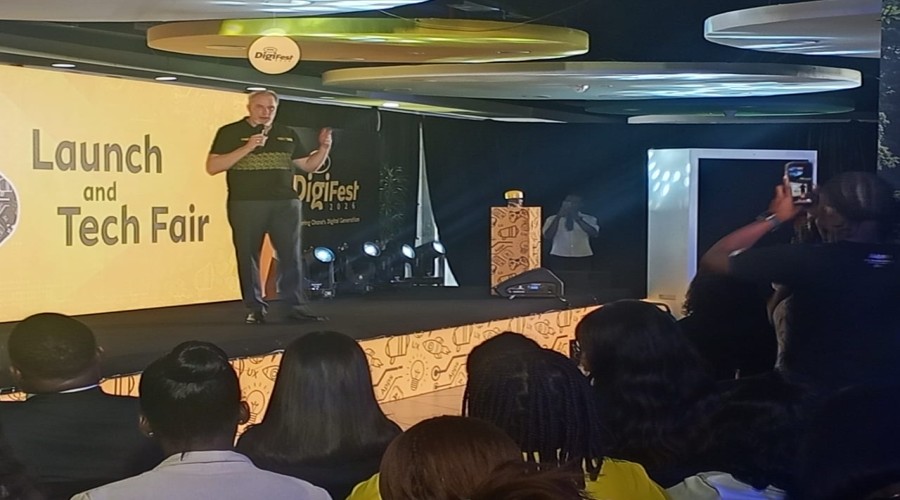
is not. For a company such as MTN Ghana, punctuality has a meaning beyond event
logistics. MTN is one of the country’s most visible technology and
telecommunications brands and increasingly presents itself as a leader in
digital transformation. When such a company announces that an event will begin
at a particular time, that commitment becomes part of its brand.
It tells developers,
entrepreneurs, students, founders and creatives watching that time matters. It
also raises a larger question about the standards Ghana wants to establish as
it seeks to compete in an increasingly digital global economy.
We often laugh about “Ghana
Man Time” and the broader idea of “African Time” as though lateness is simply
part of the culture. But the systems powering the modern economy do not operate
that way.
The cloud does not wait.
A digital payment does not
pause because a meeting started late. A cybersecurity system does not postpone
an alert because the responsible team has not arrived. A global technology
partner does not measure professionalism by whether an event eventually gets
underway.
Technology is built around
predictability.
That is why punctuality
should be treated as part of the digital transformation conversation itself. Ghana
has invested heavily in connectivity, fintech, mobile money, cloud computing,
data centres, artificial intelligence and digital public services. The country
is also trying to develop a generation of technology entrepreneurs capable of
building solutions for African and global markets.
But infrastructure and
innovation are only part of the equation. Culture matters too.
If we want young founders to
build companies that compete globally, they must see examples of institutions
that respect deadlines. If we want international technology partners to view
Ghana as a serious digital market, our professional practices should reinforce
that reputation. And if we want the next generation to value efficiency, the
institutions leading the digital conversation must demonstrate it.
This is where MTN Ghana has
an opportunity.
The company has the scale
and visibility to make punctuality part of its leadership culture. Starting
programmes when advertised, keeping sessions within scheduled timelines and
respecting the time commitments of participants would communicate something much
bigger than organisational efficiency.
It would establish a
standard. It would tell the audience that their time is valuable. It would tell
young innovators that professionalism includes discipline. And it would
demonstrate that the culture surrounding digital transformation must evolve
alongside the technology itself.
This is not an argument for
ignoring the realities of organising major events. Dignitaries can be delayed.
Traffic can be unpredictable. Technical problems can occur. Emergencies happen.
But occasional delays are different from normalised lateness.
The difference is whether
punctuality is treated as a commitment or merely an aspiration. MTN Ghana has
repeatedly positioned its digital business as a major engine of growth and
innovation. That leadership should extend beyond the network, the application
or the platform. It should also be visible in how the company engages the
people who make up Ghana’s technology ecosystem.
Because ultimately, digital
transformation is not simply about faster networks or smarter systems. It is
also about changing the habits, expectations and professional standards that
determine how those systems are built and used.
If Ghana's leading digital
platforms can make punctuality a non-negotiable part of their events, they can
help redefine what professionalism looks like in the country’s technology
sector.