By: Kanto
Kai Okanta
Egypt’s Ministry of
Communications and Information Technology (MCIT) and the National Telecom
Regulatory Authority (NTRA) are tightening controls over mobile line
registration following cases in which telephone lines were registered in
citizens’ names without their knowledge.
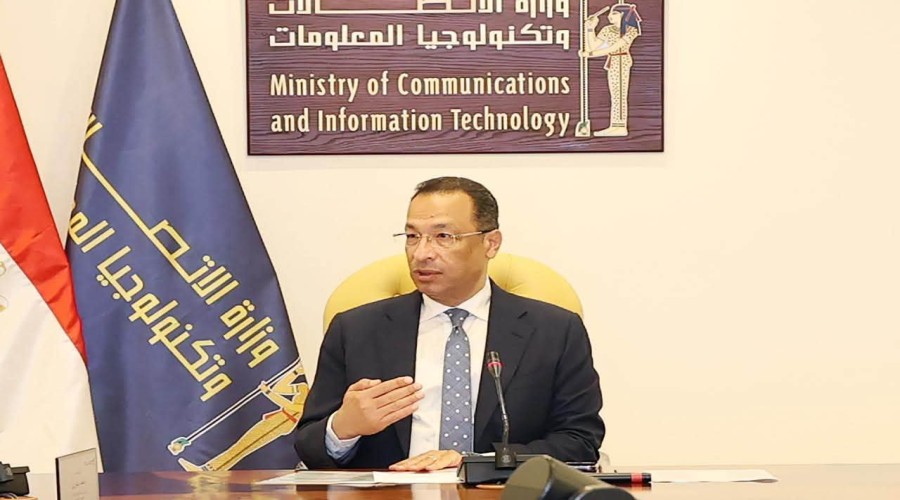
ICT Minister Raafat Hendy
discussed the issue with members of the House of Representatives’ ICT
Committee, chaired by MP Ahmed Badawy, in the presence of NTRA Executive
President Mohamed Shamroukh.
The meeting reviewed
complaints involving unauthorised registration of mobile lines and the
regulatory measures introduced by NTRA to strengthen subscriber identification,
protect personal data and prevent similar incidents.
Among the measures being
implemented are tighter controls on the sale and activation of mobile lines,
the regularisation of lines recorded in operators’ systems, expanded use of
biometric verification to confirm the identity of actual users and legal action
against companies or individuals found to have violated regulations.
NTRA has also referred
Egypt’s four mobile network operators to the Public Prosecution over violations
involving the registration of mobile lines in citizens’ names without their
knowledge.
Hendy said the growth of
Egypt’s telecommunications sector must be accompanied by stronger protection of
users’ rights. He stressed that mobile operators must comply with the new
regulatory requirements while ensuring that procedures remain convenient for
citizens.
The Minister also
highlighted the importance of accurate subscriber information, noting that
mobile services have become increasingly connected to government services and
digital financial transactions. Effective governance of mobile-line
registration, he said, is therefore essential to maintaining trust in Egypt’s
digital ecosystem.
NTRA is also accelerating
the deployment of biometric verification through operators’ mobile
applications. The measure is expected to enable users to verify their
identities more securely and strengthen controls over the registration of
mobile lines.
Shamroukh further outlined
the development of Egypt Pass, a unified digital identity initiative being led
by MCIT in coordination with relevant government authorities. The system is
expected to support secure digital identification across government services,
including remote identity verification and electronic signatures.
According to Shamroukh, the
infrastructure underpinning Egypt Pass incorporates biometric matching with
official government data and security measures designed to prevent the use of
falsified identities or information. The system could eventually allow smartphone
users to purchase mobile lines and complete official procedures remotely.
The NTRA Executive President
said violations of mobile-line registration rules would continue to attract
regulatory penalties, while cases involving suspected criminal offences would
be referred to the Public Prosecution.
Members of the House ICT
Committee welcomed the measures and called for continued monitoring of their
implementation. They also stressed the need for mobile operators to strengthen
compliance procedures and maintain accurate subscriber records.
The meeting reaffirmed
cooperation between Egypt’s legislative and executive authorities in
strengthening the regulatory framework for telecommunications, protecting
citizens’ rights and improving confidence in digital services.