By: Nana Appiah Acquaye
The Central Bank of Congo
(BCC) has reaffirmed its commitment to building an inclusive, responsible, and
accessible financial system as it called for stronger reforms in the country’s
microfinance sector.
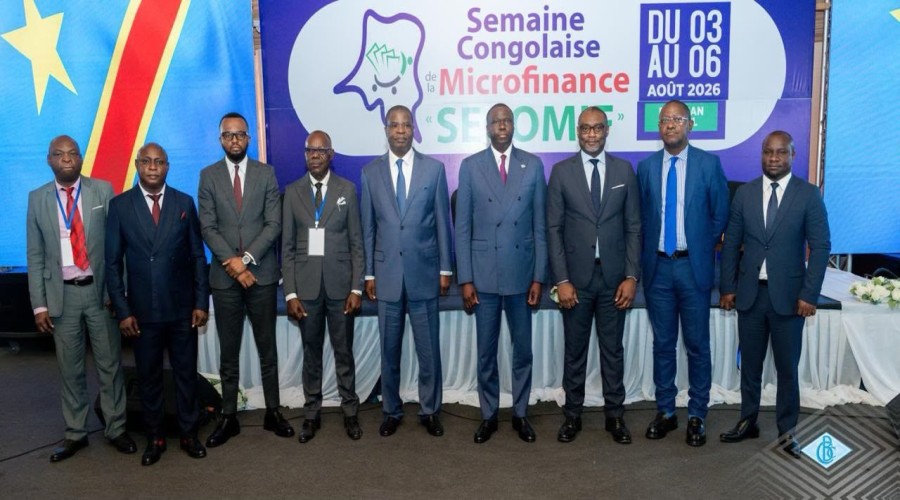
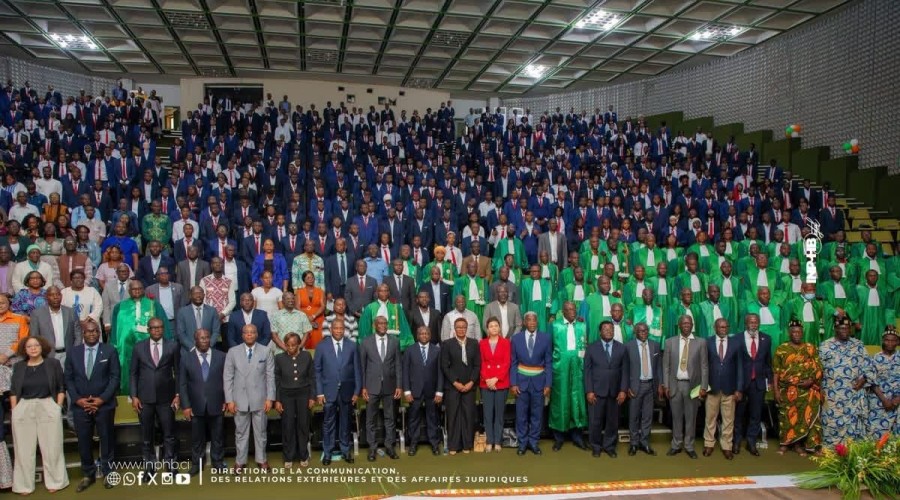
The Governor of the Central
Bank of Congo, André Wameso Nkualoloki, made the remarks while officially
opening the fifth edition of the Congolese Microfinance Week (SECOMIF 2026)
held in Kinshasa on Tuesday, 4 August 2026.
Held under the theme,
“Inclusive Finance, Sustainable SME Growth and Equitable Development: Pitfalls,
Challenges and Prospects,” the event brought together stakeholders from the
financial sector to discuss ways to expand access to financial services and strengthen
support for businesses and communities.
In his address, Governor
Wameso said microfinance should no longer be viewed as a secondary segment of
the financial system but as a strategic component capable of bringing financial
services closer to citizens, supporting entrepreneurship, and financing the
real economy.
The Governor noted that by
the end of 2025, the microfinance sector had 116 licensed institutions with a
combined balance sheet total of US$824.2 million, reflecting continued growth
and increasing relevance within the financial ecosystem.
Despite the progress, he
identified several challenges facing the sector, including the concentration of
institutions in limited geographical areas, financial sustainability of
operators, customer protection concerns, and limited access to financial services
in rural and underserved communities.
Governor Wameso called on
microfinance institutions and savings and credit cooperatives to improve
governance structures, strengthen risk management and internal controls, and
accelerate digital transformation to enhance efficiency and reach more customers.
He also emphasised the need
for financial institutions to develop products tailored to the needs of
farmers, women, young entrepreneurs, and micro, small, and medium-sized
enterprises.
The Central Bank of Congo
said financial inclusion remains a key priority under the sixth pillar of its
2026–2030 Strategic Plan, with the objective of using inclusive finance as a
tool for job creation, poverty reduction, and balanced economic development
across the Democratic Republic of Congo.
The Governor reiterated the
institution’s ambition to build a professional, resilient, innovative, and
accessible microfinance sector that serves the needs of the Congolese
population.