By: Nana Appiah Acquaye
The Senegalese Agency for
Space Studies (ASES) has launched a three-day workshop to advance the use of
space technologies, geospatial sciences and artificial intelligence in support
of agricultural development, transhumance management and soil monitoring across
the country.
The workshop, which opened in
Saly Portudal, is centred on the GEOAGRI-SEN project, an initiative funded by
the Banque Ouest Africaine de Développement (BOAD). The project aims to
strengthen evidence-based public decision-making by leveraging satellite data
and digital technologies to improve agricultural policies and natural resource
management.
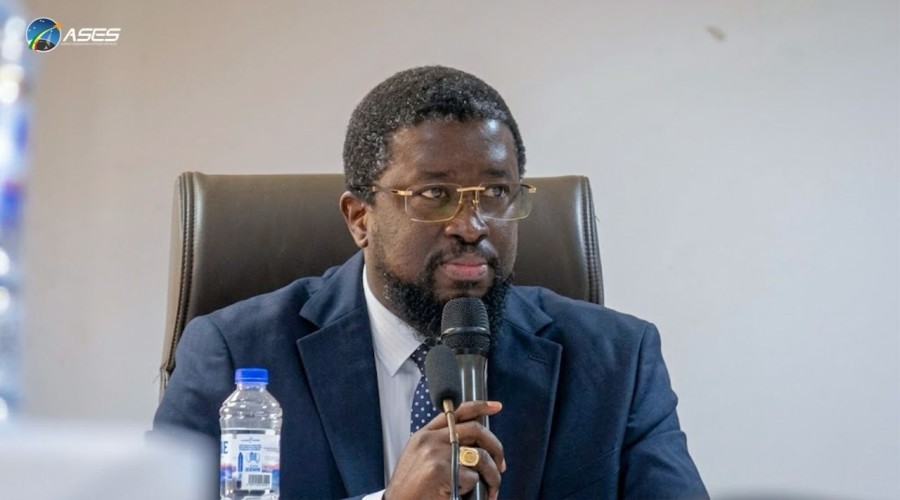
Speaking at the opening of
the workshop, ASES Director General Maram Kaire emphasized the growing
importance of space technologies beyond scientific research, describing them as
practical tools for informed decision-making.
"Space is no longer
just a scientific or technological field; it is now a decision-making
tool," Kaire
said, stressing that technology only creates value when it addresses the real
needs of users.
The GEOAGRI-SEN project was
presented by consultant Moussa Sall, who outlined its three main pillars:
promoting smart agriculture, enabling real-time management of transhumance, and
strengthening soil monitoring systems.
According to ASES, the
initiative seeks to improve the collection and analysis of geospatial data to
support policymakers, agricultural stakeholders and local communities in making
informed decisions that enhance productivity and sustainable land management.
The workshop brought
together representatives from government institutions, research organisations,
development partners, farmers and livestock breeders. Participants were divided
into three thematic working groups to refine project proposals and technical
frameworks ahead of the project's feasibility study.
The collaborative sessions
are expected to help identify priority needs, validate proposed interventions
and ensure that the technologies developed under the GEOAGRI-SEN initiative
respond effectively to the realities of Senegal's agricultural sector.