By: Nana Appiah Acquaye
Egypt has highlighted the
role of its national postal network in expanding access to digital government
services, particularly for rural communities and women, during discussions on
inclusive e-government services at the WSIS Forum 2026 in Geneva.
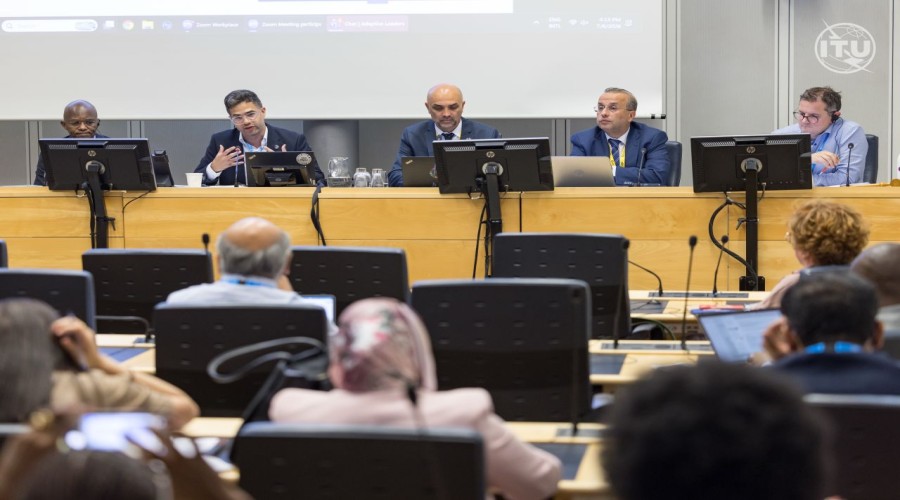
Representing Egypt at Session
298: Inclusive e-government services, Ahmed Said, Advisor to the Minister of
Communications and Information Technology (MCIT) and Head of Sector at the
National Telecommunications Regulatory Authority (NTRA), shared the country’s
approach to ensuring that digital transformation reaches citizens beyond those
with reliable internet access.
Said emphasized that digital
inclusion cannot rely solely on online platforms, noting that effective digital
government strategies must adopt a multi-channel approach that combines
technology with physical access points.
In his presentation titled “Leveraging
Egyptian Post Offices to bring e-government services closer to rural
communities and women,” Said outlined how Egypt is using its extensive postal
infrastructure as a bridge between citizens and essential digital and financial
services.
A key component of the
strategy is the government’s “Decent Life” (Hayah Karima) initiative, a
national development programme focused on improving living conditions in rural
communities, which represent more than half of Egypt’s population. The
initiative aligns with Sustainable Development Goal 11 on sustainable
communities.
Through the programme, Egypt
has upgraded more than 4,000 postal outlets, while also deploying mobile post
offices and kiosks to bring services such as automated teller machines (ATMs),
government transactions and digital services closer to citizens.
Said also highlighted
efforts to improve accessibility for persons with disabilities through
collaboration with the United Nations Development Programme (UNDP). These
measures include upgrading postal facilities, providing sign language training
for staff and promoting inclusive employment opportunities within the postal
sector.
He noted that Egypt’s
experience demonstrates the importance of combining human-centred design,
trusted local infrastructure and digital platforms to achieve meaningful
digital equity.
The session brought together
stakeholders from across the global digital development community, with
discussions focused on strategies for expanding inclusive access to government
services and reducing the digital divide.