rBy: Nana
Appiah Acquaye
Rwanda has reaffirmed its
commitment to advancing a human-centred approach to artificial intelligence,
with the country's Minister of ICT and Innovation, Paula Ingabire, calling for
the responsible development and governance of AI that promotes inclusion,
trust, and sustainable development.
Speaking during the United
Nations High-Level Roundtable on AI and Human Civilization, Ingabire outlined
Rwanda's vision for ensuring that artificial intelligence serves humanity by
enhancing human dignity, expanding opportunities, and fostering equitable
access to digital innovation.
The Minister stressed that
the success of artificial intelligence should not be measured solely by the
sophistication of machines, but by their ability to improve people's lives,
strengthen public trust, and ensure that no country, language, or community is
excluded from the benefits of technological advancement.
She emphasized the
importance of responsible AI governance, sustained investment in human
capabilities, and the deployment of practical AI solutions that address
real-world challenges across sectors.
Ingabire noted that Rwanda
is pursuing a digital transformation agenda that places people at the centre of
technological innovation, positioning artificial intelligence as a tool for
inclusive growth, improved public services, and socio-economic development.
Her remarks reflect Rwanda's
broader efforts to shape the future of AI through policies that balance
innovation with ethics, accountability, and inclusion, while contributing to
global discussions on the responsible use of emerging technologies.
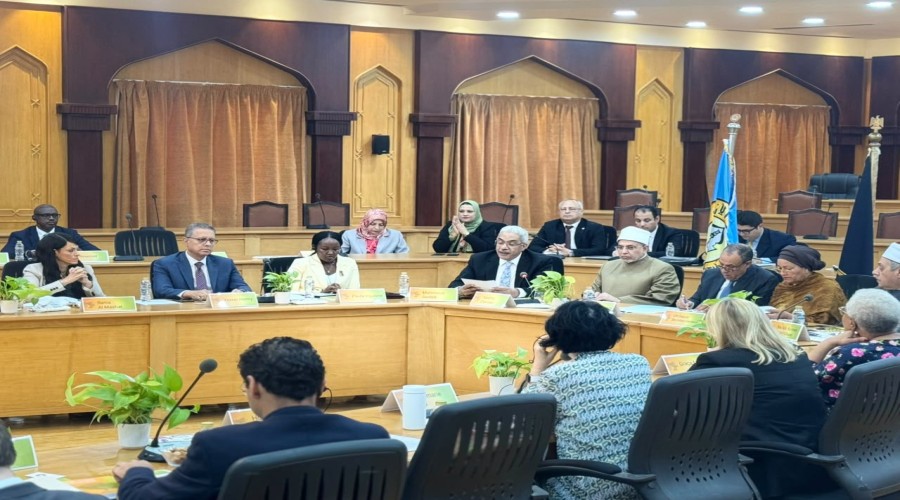
The UN High-Level Roundtable
brought together government leaders, policymakers, and technology stakeholders
to examine the role of artificial intelligence in advancing human development
and fostering international cooperation on AI governance.