By:
Nana Appiah Acquaye
Global
digital economy leaders have called for a more inclusive approach to artificial
intelligence development, warning that unequal access to AI capabilities risks
widening the global digital divide if left unaddressed.
Speaking
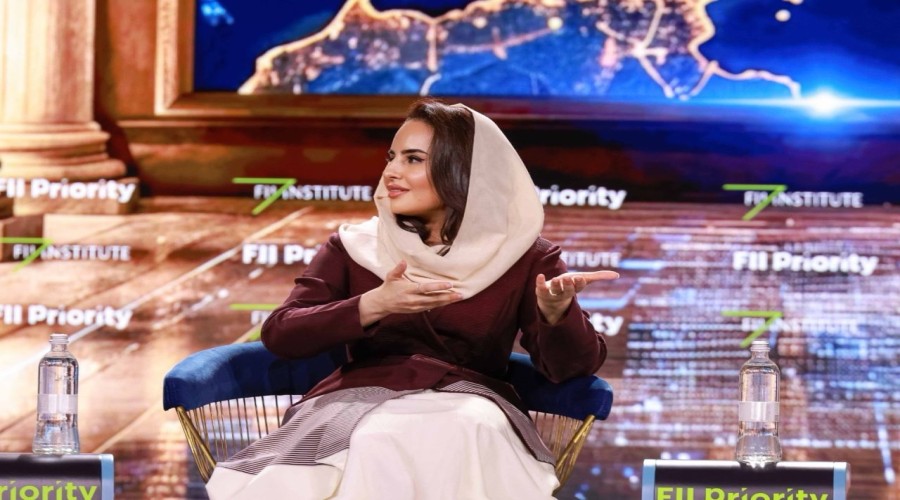
at the FII PRIORITY Europe Summit in Rome, Deemah AlYahya, Founding
Secretary-General of the Digital Cooperation Organization, said sovereign
artificial intelligence should not be understood as technological isolation,
but rather as the ability of countries to build meaningful capacity,
resilience, talent pipelines and strategic partnerships within the global AI
ecosystem.
She
emphasized that sovereignty in the AI era should empower countries to make
independent strategic decisions, protect national interests and capture
economic value while remaining actively connected to global innovation
networks.
AlYahya
noted that the global artificial intelligence landscape remains highly
concentrated, with the market projected to grow from 189 billion dollars in
2023 to 4.8 trillion dollars by 2033. However, she highlighted that fewer than
one-third of developing countries currently have national AI strategies, while
approximately 118 countries, largely in the Global South, remain
underrepresented in global AI governance structures.
According
to her, the challenge is not for every country to independently build full AI
ecosystems, but rather to develop new models of digital cooperation based on
shared infrastructure, innovative financing mechanisms, talent mobility and
cross-border knowledge exchange.
She
cautioned that without deliberate efforts to broaden participation, the AI
economy risks becoming concentrated in a small number of countries that create
advanced systems, while others remain passive consumers of the technology.
AlYahya
called for a globally coordinated effort to ensure that AI opportunity is more
evenly distributed, stressing that the future of artificial intelligence must
be defined not only by technological innovation but also by inclusion and
shared prosperity.
The
panel also featured contributions from H.E. David Moinina Sengeh, Ana Paula De
Jesus Assis and Joséphine Kant, with moderation by Luca Bennici, who led
discussions on governance, access and the future structure of the global AI
economy.