By: Nana
Appiah Acquaye
The Secretary-General of the
African Continental Free Trade Area (AfCFTA), H.E. Wamkele Mene, has called on
the private sector to take a leading role in making the continental trade
agreement commercially effective, emphasizing that business participation is
central to unlocking Africa’s intra-trade potential.
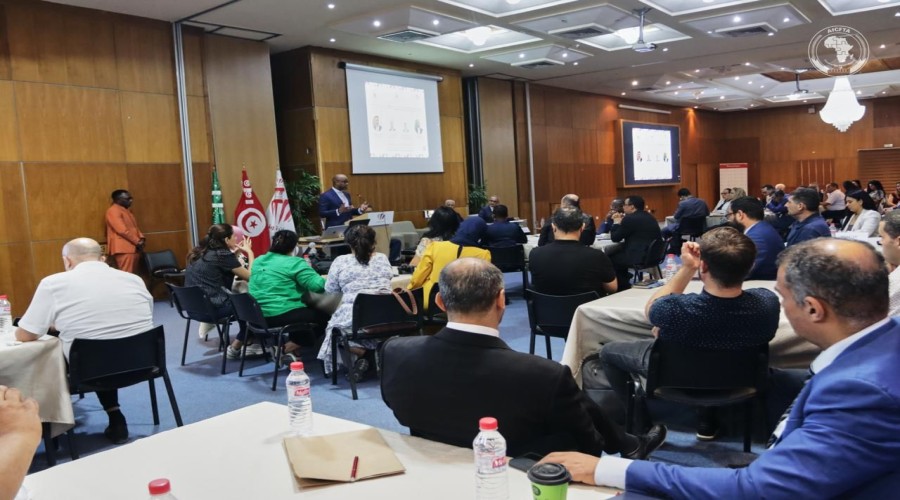
The remarks were made during
the second day of his official visit to Tunisia, where he held a high-level
dialogue with members of the Tunisian private sector at the Tunisia Export
Promotion Centre (CEPEX), following a meeting with the Minister of Trade and
Export Promotion.
Addressing business leaders,
Mene stressed that while the AfCFTA is anchored in intergovernmental
agreements, its success depends on the active engagement of private sector
actors who ultimately drive trade flows, investment decisions, and cross-border
commercial activity.
He noted that the first
priority for businesses is to identify viable markets across the continent,
including opportunities for Tunisian exports into African markets as well as
avenues for importing African goods into Tunisia, with the broader objective of
strengthening two-way trade flows.
According to the AfCFTA
Secretariat, the agreement is designed to facilitate the movement of goods and
services across African borders, creating opportunities for increased market
access, industrial expansion, and economic diversification.
Mene highlighted key tools
supporting implementation of the agreement, including the Pan-African Payment
and Settlement System (PAPSS), which enables transactions in local currencies
and reduces reliance on external payment systems, thereby lowering transaction
costs and improving efficiency in cross-border trade.
He also pointed to digital
platforms that enhance business connectivity and provide market intelligence to
help companies better navigate trade opportunities under the AfCFTA framework.
The Secretary-General’s
visit forms part of ongoing efforts to accelerate private sector engagement and
deepen awareness of practical mechanisms available under the continental free
trade agreement.
Officials say strengthening
collaboration between governments and businesses will be critical to ensuring
that the AfCFTA delivers tangible economic benefits and supports the growth of
intra-African trade.