By: Nana
Appiah Acquaye
The United Nations Economic
Commission for Africa (UNECA) has called for urgent reforms to the global
financial architecture, highlighting its disproportionate impact on Africa’s
development financing and long-term economic prospects.
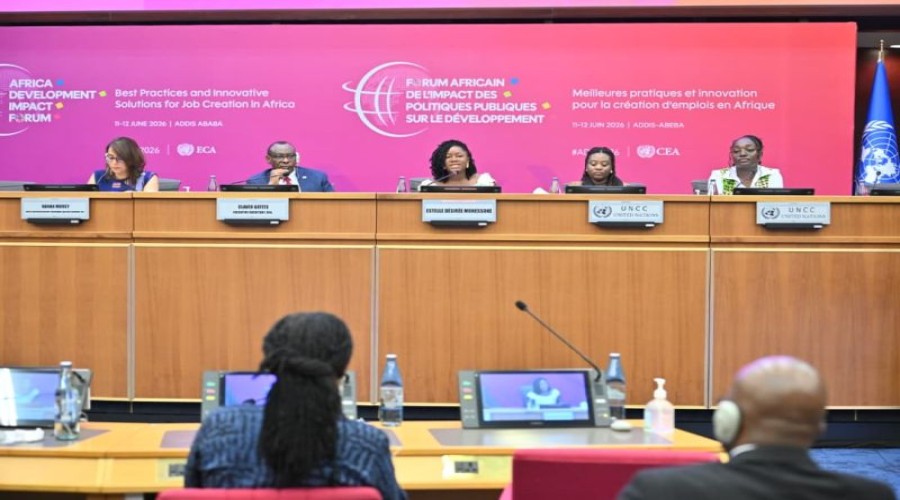
Speaking at the Africa Development Impact Forum (ADIF) 2026, UNECA Deputy Executive Secretary and Chief
Economist Hanan Morsy engaged members of the Young Economists Network in a
discussion on structural challenges within the global financial system and
their implications for Africa’s youth.
Morsy noted that Africa
faces a financing gap of approximately $1.3 trillion required to achieve the
Sustainable Development Goals, while more than 25 African countries remain in
or are at high risk of debt distress. She also highlighted that African governments
collectively spent over $100 billion on debt servicing in 2025, a figure that
in many cases exceeds national expenditure on critical social sectors.
She further pointed out that
Africa receives only 3.6% of global climate finance despite contributing less
than 4% of global emissions, describing the imbalance as a major constraint to
climate resilience and sustainable development efforts across the continent.
Despite these challenges,
UNECA emphasized that Africa is increasingly asserting its role in shaping
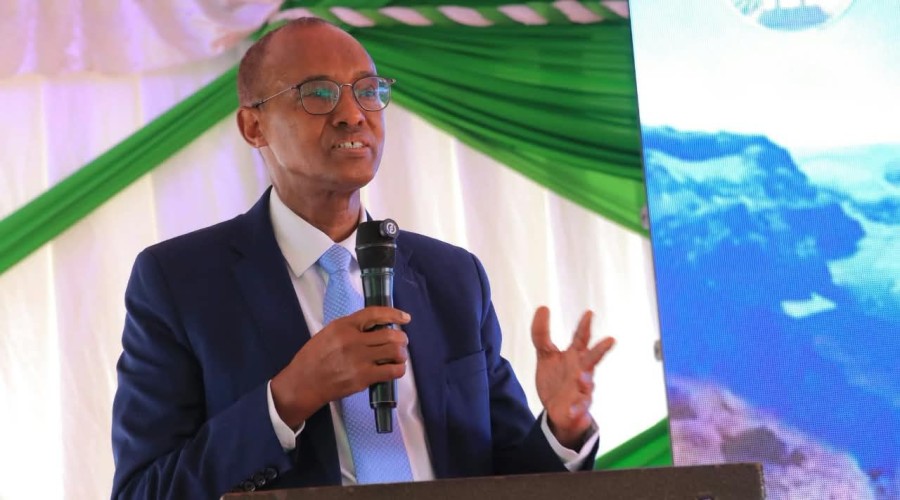
global financial governance. Executive Secretary Claver Gatete highlighted
Africa’s permanent seat at the G20 and its leadership in advancing the United Nations
Framework Convention on International Tax Cooperation as evidence of the
continent’s growing influence in global decision-making processes.
According to UNECA, these
developments signal a shift from Africa being a rule-taker to becoming a
rule-maker in global economic governance.
The Commission underscored
that young Africans must play a central role in shaping economic reforms and
policy direction, stressing that the future of Africa’s financial and
development systems cannot be separated from youth participation and
leadership.
UNECA reiterated that
efforts to build a fairer global financial system—including addressing risk
premiums, reforming climate finance mechanisms, and tackling illicit financial
flows—are not merely technical issues but matters of intergenerational justice
with long-term implications for Africa’s development trajectory.
The forum concluded with a
call for increased youth engagement in economic policy discussions and stronger
continental coordination in global financial negotiations.