Cameroon’s TRB participates in ARTAC’s 10th Ordinary Session in Kinshasa
Date: 2026-02-24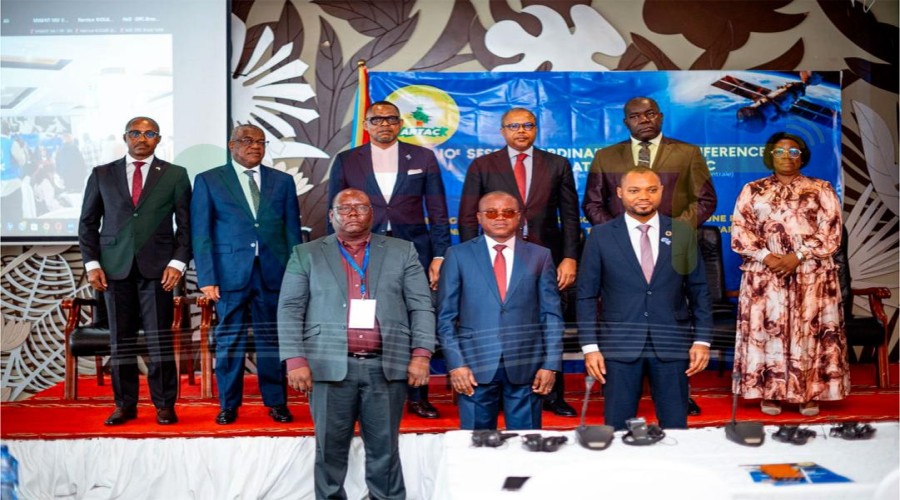
By: Nana Appiah Acquaye
A
delegation from the Telecommunications Regulatory Board (TRB) of Cameroon, led
by its Director General, Professor Philémon Zoo Zame, participated in the 10th
Ordinary Session of the Conference of Central African Telecommunications
Regulators, held in Kinshasa, Democratic Republic of the Congo.
The
session focused on key regulatory, technological, and institutional priorities
aimed at strengthening connectivity, security, and digital sovereignty across
the Central African sub-region.

Discussions
prominently addressed the growing role of non-geostationary satellite (NGSO)
systems, particularly low-earth orbit constellations operated by providers such
as Starlink, OneWeb, and Amazon Kuiper. Participants noted the significant
potential of these technologies to expand broadband access, especially in rural
and underserved areas, where mobile internet penetration remains below 30
percent in much of Central Africa.
However,
regulators highlighted concerns associated with NGSO deployment, including
implications for data sovereignty, competitive balance with local operators,
lawful interception requirements, and potential interference with existing
terrestrial networks. A high-level panel of experts recommended the development
of a harmonized regulatory framework requiring NGSO providers to establish
terrestrial gateways within ARTAC’s jurisdiction, comply with financial
obligations similar to traditional operators, and ensure that citizens’ data
remain stored within the African continent.

Digital
financial security also featured prominently in the deliberations, as
regulators examined rising risks linked to the rapid expansion of mobile money
and electronic payment systems. Delegates endorsed recommendations from the
International Telecommunication Union aimed at strengthening oversight
mechanisms and enhancing consumer protection.
On
regional interconnection, member states adopted a resolution mandating the
effective implementation of free roaming across Central Africa by June 30,
2026. The measure is expected to facilitate cross-border mobility and support
economic integration within the sub-region.
Beyond
technical and regulatory matters, the session reviewed ARTAC’s institutional
framework. Revised statutes, internal regulations, and financial rules were
adopted, while the mandate of the Executive Committee was extended until
December 2027 to ensure governance continuity.

Delegates
also confirmed that the next extraordinary session will be held in Libreville,
Gabon, where member states will finalize criteria for appointing the Executive
Secretary and determining the organization’s headquarters.
A
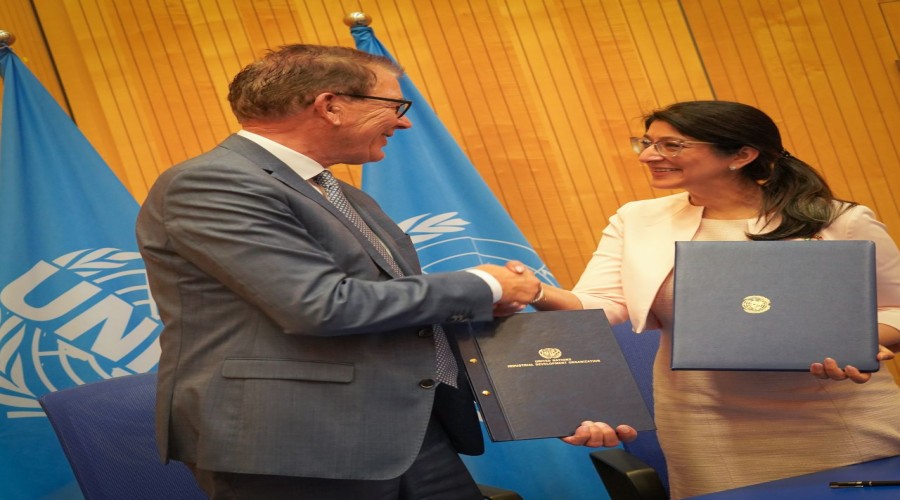
notable development during the opening ceremony was the signing of a roaming
agreement between ARCEP Gabon and ARPTC, reflecting ongoing efforts to enhance
regional cooperation.
Established
in 2004 following a resolution of the Central African Conference of Posts and
Telecommunications, Conference of Central African Telecommunications Regulators
brings together eight member states and serves as a key platform for regulatory
harmonization and policy coordination in the region’s evolving digital
landscape.