Ministerial dialogue identifies AI safety as central to digital transformation
Date: 2026-02-23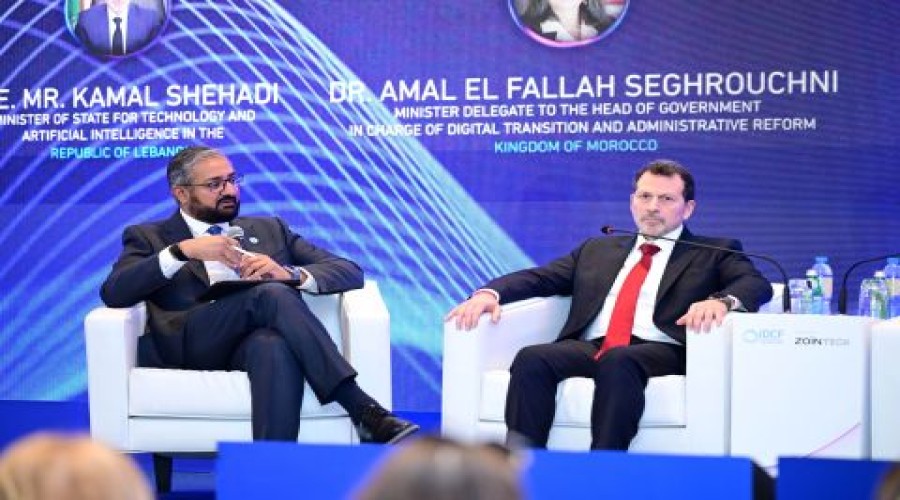
By: Nana Appiah Acquaye
A
ministerial dialogue on artificial intelligence safety and systemic risk has
underscored the growing global emphasis on governance frameworks to support
responsible AI deployment.
The
session, convened by Ahmad Bhinder, Digital Policy and Intelligence Director at
the Digital Cooperation Organization, took place during IDCF 2026 and brought
together policymakers from multiple regions to examine the policy, regulatory,
and institutional dimensions of AI safety.
Participants included Lebanon’s Minister of State for Technology and AI, Dr. Kamal Shehadi; Morocco’s Minister Delegate for Digital Transition and Administrative Reform, Amal El Fallah Seghrouchni; Palestine’s Minister of Telecommunications and Digital Economy, Abdel-Razzaq Natsheh; Kenya’s Cabinet Secretary for Information, Communications and the Digital Economy, William Kabogo Gitau; and Cambodia’s Minister of Post and Telecommunications, Vandeth Chea.

Discussions
focused on the risks associated with rapidly advancing AI systems, including
systemic vulnerabilities, governance gaps, and the need for cross-border
cooperation. Speakers emphasized that AI safety is increasingly viewed as a
structural requirement for digital transformation rather than a constraint on
innovation.
Officials
highlighted the importance of establishing regulatory clarity, strengthening
institutional capacity, and promoting international collaboration to ensure
that AI technologies remain ethical, secure, and trustworthy. The dialogue also
reflected broader global efforts to align AI development with economic growth
objectives while mitigating potential risks.
The
session concluded with a shared view among participants that sustainable AI
innovation depends on credible governance mechanisms capable of balancing
technological progress with societal safeguards.