BMZ emphasises inclusive and sustainable AI agenda at India AI Impact Summit 2026
Date: 2026-02-20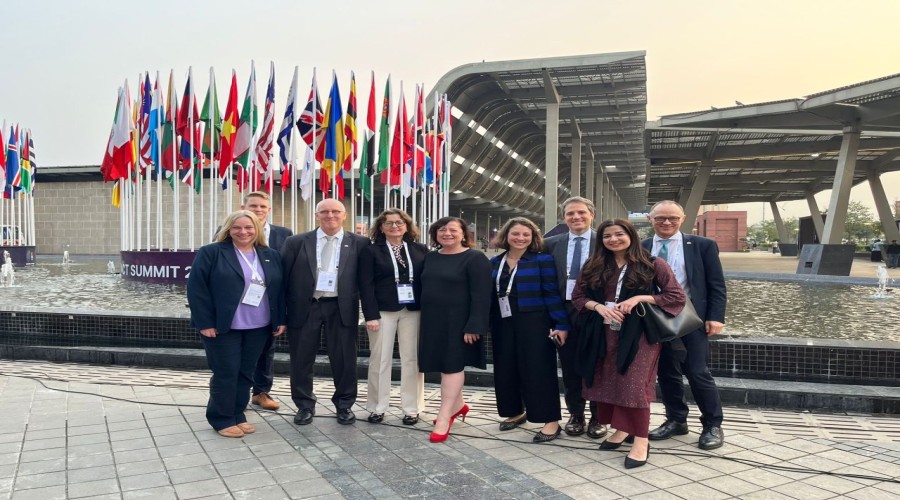
By: Nana Appiah Acquaye
Germany’s
Federal Ministry for Economic Cooperation and Development (BMZ) has underscored
the importance of ensuring that artificial intelligence serves people, advances
sustainable development, and remains accessible globally.
Speaking
from a development policy perspective, Bärbel Kofler, Parliamentary State
Secretary at the Federal Ministry for Economic Cooperation and Development,
stressed the need for international collaboration in shaping responsible AI
ecosystems. She noted that sustainable AI development depends on strong
partnerships, emphasizing that no single actor can address the challenges
alone.
According
to BMZ, German development cooperation is focused on promoting equitable access
to AI technologies worldwide. Key priorities include advancing open standards,
expanding educational opportunities, and reducing barriers that limit access to
digital innovation.

The
remarks were made in the context of the India AI Impact Summit 2026, described
by organizers as the largest AI summit held to date. The event, hosted in New
Delhi, reportedly registered approximately 250,000 participants from more than
100 countries, bringing together researchers, heads of state, policymakers, and
business leaders.
Discussions
at the summit centered on how artificial intelligence can be developed and
deployed in ways that are fair, inclusive, and sustainable. A major theme of
the forum was the role of AI in supporting economic and social development
across the Global South.
BMZ
highlighted India’s growing role as a strategic partner in international
digital cooperation. The summit provided a platform for engagement among
governments, industry, academia, and civil society on regulatory frameworks,
innovation opportunities, and cross-border collaboration.
German
officials indicated that strengthened international cooperation in AI policy
and governance could open new pathways for responsible AI adoption,
particularly in emerging and developing economies.