By: Nana Appiah Acquaye
The
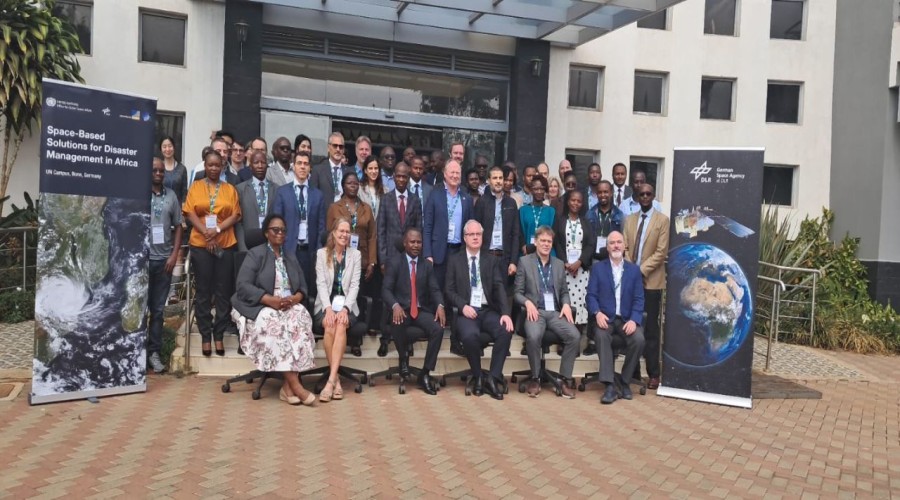
Regional Centre for Mapping of Resources for Development (RCMRD) is set to
convene a high-level Regional Symposium 2026 under the theme “Space
Technologies for Humanity,” bringing together policymakers, technical experts,
researchers, development partners, and private sector stakeholders to examine
the growing role of space-based technologies in disaster risk management and
sustainable development.
The
symposium will focus on how Earth Observation satellites and related space
technologies are reshaping disaster preparedness, early warning systems, and
emergency response. Organizers note that despite the expanding availability of
satellite-derived data, many countries continue to face institutional,
technical, and policy barriers that limit the effective use of such resources.
RCMRD
is convening the event with support from the United Nations Platform for
Space-based Information for Disaster Management and Emergency Response
(UN-SPIDER), operating under the United Nations Office for Outer Space Affairs
(UNOOSA), alongside the Zentrum für Fernerkundung der Landoberfläche (ZFL) at
the University of Bonn. Additional support is being provided by the United
Nations Office for Disaster Risk Reduction (UNDRR) and Esri.
According
to the organizers, discussions will centre on policy frameworks, partnerships,
governance mechanisms, and financing models required to mainstream space
technologies into national and regional development agendas.
Particular
emphasis will be placed on ensuring that space-derived data translates into
actionable intelligence at the community level, especially in regions
vulnerable to climate-related hazards and natural disasters.
The
symposium is expected to serve as a platform for strengthening cross-sector
collaboration and advancing strategies that enable governments and institutions
to more effectively harness space technologies for resilience, risk reduction,
and humanitarian outcomes.