African leaders strengthen climate finance cooperation at CAHOSCC Meeting
Date: 2026-02-15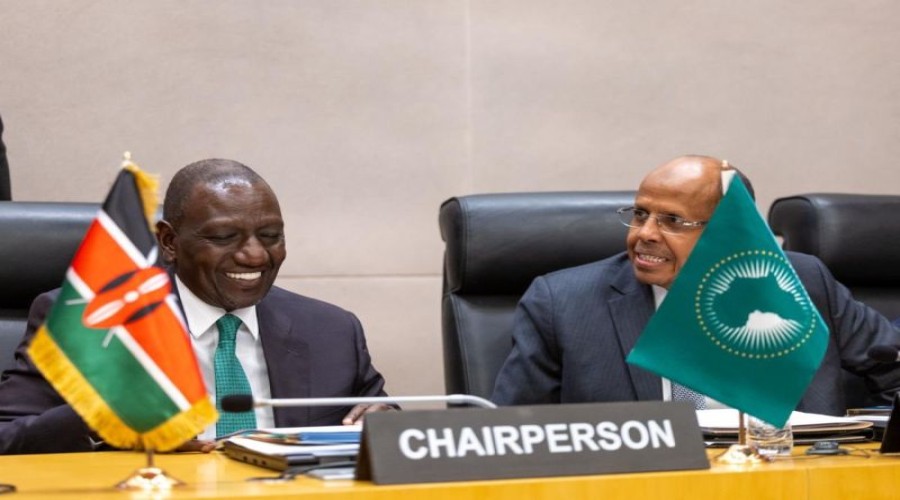
By: Nana Appiah Acquaye
African heads of state and government have reaffirmed their commitment to enhanced cooperation on climate action, following deliberations at the Committee of African Heads of State and Government on Climate Change (CAHOSCC) meeting held on the margins of the 39th African Union Summit in Addis Ababa, Ethiopia.
The
meeting, chaired by President William Ruto, brought together leaders and key
stakeholders to review progress and align priorities on Africa’s climate
agenda. During the session, the African Ministerial Conference on the
Environment (AMCEN) report was presented to member states, providing an update
on policy developments and implementation efforts across the continent.

Discussions
centred on the urgent need to scale climate finance and reinforce institutional
capacity. Leaders resolved to deepen collaboration in mobilising financial
resources and strengthening governance frameworks to support Africa’s climate
change priorities, particularly in adaptation, resilience, and sustainable
development.
Member
states also welcomed Ethiopia’s upcoming presidency of the UNFCCC COP32,
expressing collective support and emphasising the significance of the
conference for the continent. Leaders underscored that COP32 would represent an
“African COP,” highlighting expectations for stronger representation of
Africa’s interests in global climate negotiations.
In
the course of the meeting, Ghana was acknowledged for being entrusted with the
responsibility of leading Africa’s climate change negotiators for the 2026–2027
period. The move reflects continued efforts to coordinate Africa’s negotiating
position on critical issues such as climate finance, technology transfer, and
loss and damage.

South
Africa, for its part, expressed appreciation to African countries for their
backing of its G20 Presidency, reinforcing the importance of multilateral
cooperation in addressing climate and development challenges.
The
CAHOSCC meeting forms part of broader engagements at the African Union Summit,
where climate change remains a central policy priority amid growing
environmental and economic pressures across the continent. Leaders reiterated
the need for unified continental strategies to navigate the evolving global
climate landscape.