
Eastern and Southern Africa push for data-driven ecosystem restoration at RCMRD workshop
Date: 2026-01-27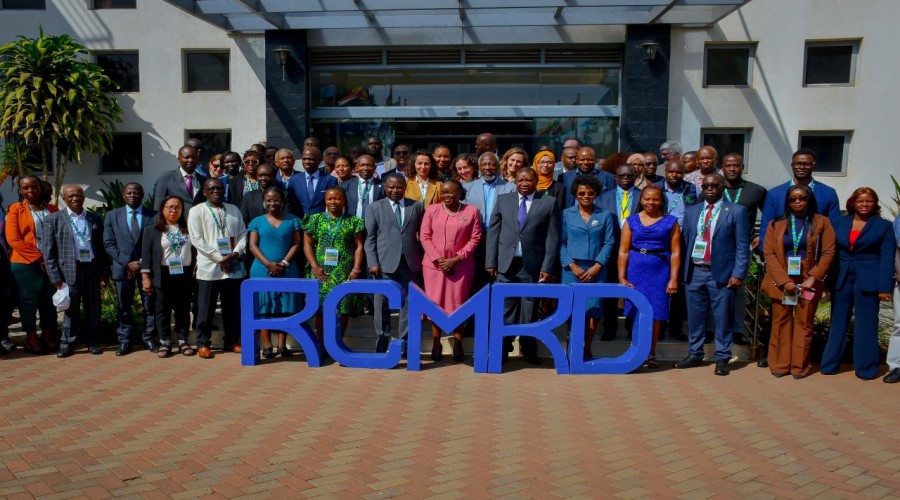
By: Kanto Kai Okanta
Regional
leaders and technical experts have called for accelerated, data-driven
ecosystem restoration across Eastern and Southern Africa, as discussions opened
at the Subregional Workshop on Biodiversity Monitoring and Reporting for Target
2 of the Kunming–Montreal Global Biodiversity Framework, hosted at the Regional
Centre for Mapping of Resources for Development (RCMRD).
The
workshop, convened by the Food and Agriculture Organization of the United
Nations (FAO), RCMRD and the Convention on Biological Diversity (CBD),
underscored the importance of aligning ambitious ecosystem restoration
commitments with robust monitoring and reporting systems, backed by strong
regional scientific cooperation. Participants stressed that credible data and
harmonised reporting frameworks are essential to track progress and ensure
accountability as countries work towards restoring degraded ecosystems.

Addressing the gathering, stakeholders highlighted the role of geospatial data, technology and shared scientific expertise in translating global biodiversity targets into tangible results on the ground. The discussions focused on strengthening national capacities for biodiversity monitoring while promoting collaboration across borders to address shared environmental challenges.
A
key moment of the workshop was a tree planting exercise led by Kenya’s Cabinet
Secretary for Environment, Dr. Deborah Barasa, symbolising high-level political
commitment to ecosystem restoration and climate action. The exercise reinforced
the link between policy leadership and practical action in advancing
environmental sustainability.
The
event also marked the official launch of the CBD mandate for RCMRD, designating
the Centre as a Subregional Technical and Scientific Cooperation Support
Centre. Under this mandate, RCMRD will support countries in Eastern and
Southern Africa to restore at least 30 per cent of degraded ecosystems by 2030,
in line with the Kunming–Montreal Global Biodiversity Framework.
Organisers
and participants noted that the milestones achieved during the workshop
demonstrate the power of partnerships, reliable data and coordinated regional
action in turning global biodiversity goals into measurable and lasting impact
across the subregion.


