
UNOOSA, Saudi Space Agency advance global cooperation on space sustainability
Date: 2026-01-27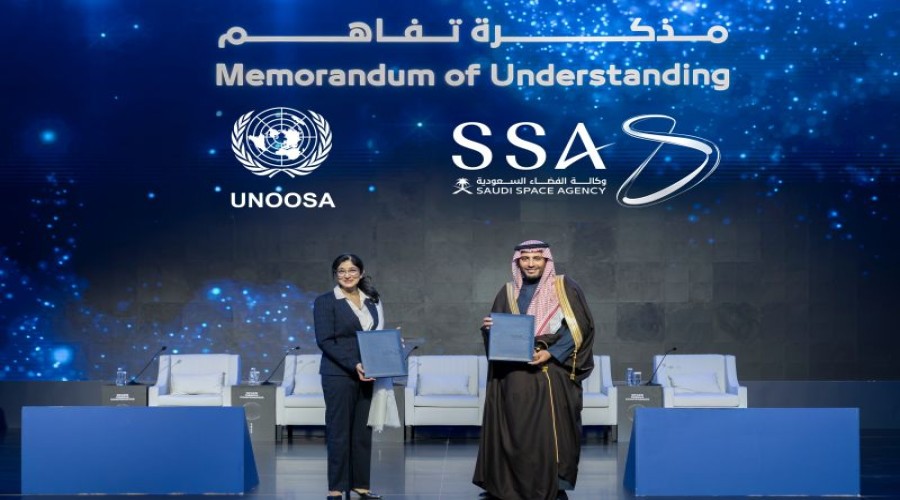
By: Nana Appiah Acquaye
The
United Nations Office for Outer Space Affairs (UNOOSA) has reiterated the
urgency of safeguarding the long-term sustainability of outer space amid
growing congestion caused by an increasing number of satellites and frequent
launches.
This
focus formed part of discussions at the Space Debris Conference held in Riyadh,
Saudi Arabia, where UNOOSA participated in high-level engagements on
responsible space activities and the future of space sustainability. The
conference was hosted by the Saudi Space Agency and brought together
international stakeholders to address the escalating challenge of space debris
and orbital congestion.

On
the margins of the conference, the Saudi Space Agency and the United Nations
signed a Memorandum of Understanding aimed at strengthening international
cooperation in support of a more sustainable and secure space environment. The
agreement reflects Saudi Arabia’s expanding role in the global space sector and
its commitment to multilateral collaboration on space governance.
UNOOSA
highlighted that the protection of outer space is a shared global
responsibility, underscoring its ongoing efforts to translate awareness into
concrete action. These efforts include supporting the implementation of
internationally agreed Space Debris Mitigation Guidelines and Long-Term
Sustainability Guidelines, advancing dialogue on space governance through the
UN Committee on the Peaceful Uses of Outer Space, providing legal and policy
guidance to Member States, and building capacity through workshops and advisory
missions.

The
discussions in Riyadh also aligned with broader United Nations initiatives to
raise public and institutional awareness of space sustainability challenges, as
the rapid growth of space activities continues to test existing governance
frameworks and technical safeguards.


