
UN Technology Bank conducts scoping mission in Uganda to support technology needs assessment
Date: 2026-01-12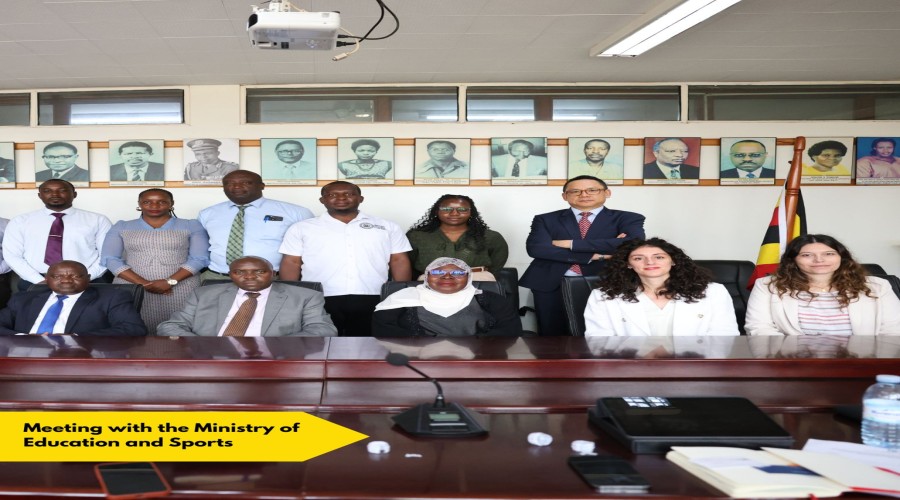
By: Nana Appiah Acquaye
The
United Nations Technology Bank for the Least Developed Countries has completed
a scoping mission in Kampala aimed at supporting Uganda’s Technology Needs
Assessment, a key initiative aligned with the country’s long-term ambition to
achieve tenfold economic growth by 2040.
The
mission engaged the Science, Technology and Innovation Secretariat at the
Office of the President, alongside line ministries responsible for ICT,
education, trade, agriculture and finance. Discussions focused on identifying
how targeted technology solutions can advance Uganda’s four strategic
development pillars of agroindustry, tourism, minerals, and science, technology
and innovation.

As
part of the engagement, the delegation undertook site visits to Makerere
University’s Innovation Lab and the Deep Tech Centre of Excellence. These
visits highlighted the growing strength of Uganda’s innovation ecosystem and
demonstrated how investment in research and development is translating into
locally developed, high-technology solutions with commercial and market
potential.
A
key moment of the mission was a meeting with the Minister for Science,
Technology and Innovation, Hon. Dr. Monica Musenero Masanza. The engagement
followed the conclusion of the Made-in-Uganda electric bus roadshow from
Kampala to Cape Town, which showcased Uganda’s homegrown technological
capabilities and its emerging leadership in regional innovation.
The
scoping mission identified several priorities to guide the Technology Needs
Assessment process, including the importance of strengthening innovation
ecosystems rather than isolated interventions, promoting inclusive technology
adoption that creates jobs and builds skills, and ensuring a clear national
vision supported by strong institutional commitment.

The
mission reaffirmed the role of technology as a catalyst for development when it
is closely aligned with national priorities, inclusive growth objectives and
effective leadership. The UN Technology Bank expressed appreciation to the
Government of Uganda, participating ministries, the UN Resident Coordinator
Leonard Zulu, the United Nations system in Uganda and UN-OHRLLS for their
collaboration and support, as work on Uganda’s Technology Needs Assessment
continues.


