
Ethiopia opens Ethio Green Mobility Week
Date: 2025-12-29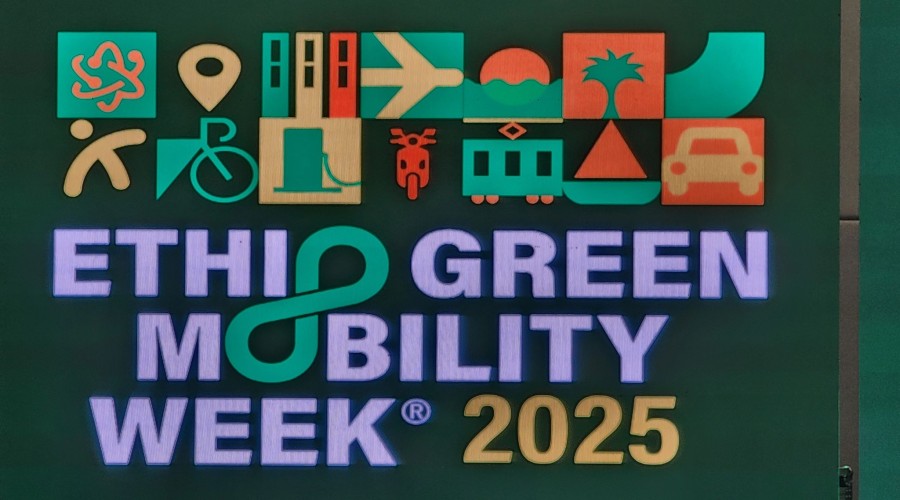
By: Nana Appiah Acquaye
Ethiopia
has officially opened Ethio Green Mobility Week in Addis Ababa, marking a
significant moment in the country’s push toward sustainable and low-carbon
transportation systems.
The
event highlights Ethiopia’s bold decision to ban the importation of petrol and
diesel cars and trucks, a policy move that has positioned the country as a
global leader in the transition to clean mobility. The decision reflects a
long-term strategy focused on resilience, environmental sustainability, and
economic transformation.

Since
the policy shift, Ethiopia has made notable progress in deploying electric
mobility solutions. Electric buses are already operating in urban centers,
supported by a growing charging infrastructure and expanding mass transit
systems. These developments demonstrate that the transition to electric
mobility is actively underway, with systems already in daily use rather than
remaining at pilot or conceptual stages.
Officials
and stakeholders at the opening noted that while early gains are encouraging,
the next phase of Ethiopia’s green mobility agenda will focus on broader
structural transformation. Priority areas include the decarbonisation of
freight and logistics, the scaling of electric trucks along regional trade
corridors, the development of local skills and jobs, and the growth of domestic
manufacturing capacity. Aligning energy, transport, and industrial policies
into a unified national framework is also central to the next stage of
implementation.

Ethio
Green Mobility Week is intended to serve as a platform for collaboration among
policymakers, industry players, development partners, and innovators, while
signalling Ethiopia’s commitment to leading Africa’s clean transport
transition.
The
initiative is being driven by strong political leadership, with Minister of
Transport and Logistics Dr Alemu Sime and State Minister Bareo Hassen playing
key roles in advancing the country’s green mobility vision. Organisers say the
week underscores Ethiopia’s determination to build cleaner, more inclusive, and
economically sustainable mobility systems for the future.


