Regional Workshop on Artificial Intelligence opens in Abidjan
Date: 2025-12-10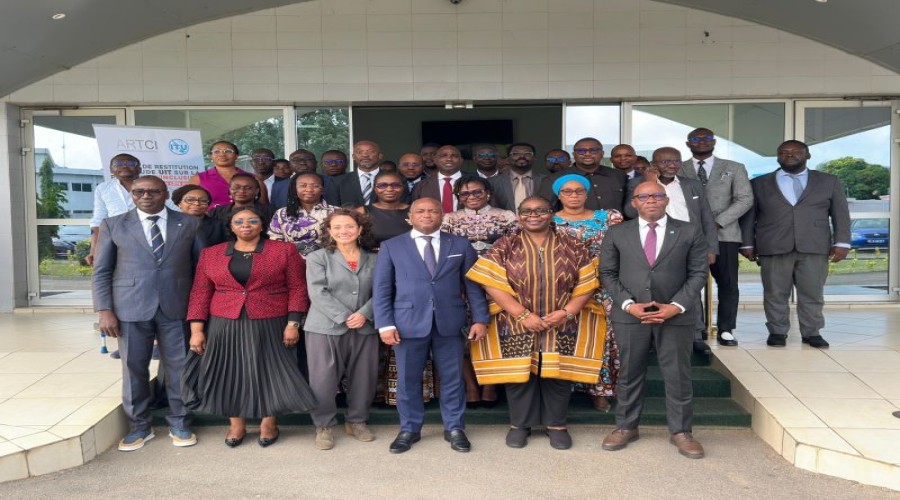
By: Nana Appiah Acquaye
A
regional workshop focused on the integration of artificial intelligence in
vocational training has opened in Abidjan-Cocody, bringing together close to
one hundred participants from across Africa to examine how AI can strengthen
skills development, youth employability and business competitiveness.
The
two-day workshop is organized by the Vocational Training Development Fund
(FDFP) under the auspices of the African Network of Vocational Training
Institutions and Funds (RAFPRO). Held under the theme “Artificial Intelligence
and Vocational Training: Issues and Challenges on Skills, Employability and
Business Competitiveness,” the forum seeks to deepen understanding of the
opportunities and challenges posed by AI, particularly its impact on technical
and behavioural skills in a rapidly evolving labour market.

The event forms part of broader efforts to support the structural transformation of African economies, modernize public administration systems and scale up investment in human capital. It aims to stimulate strategic and collective reflection among RAFPRO and its member institutions on the policies, practices and innovations required to respond effectively to digital transformation.
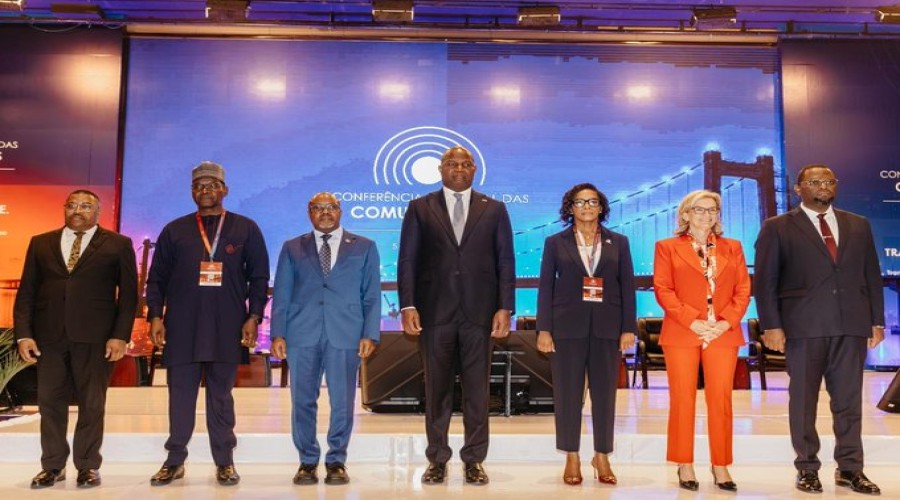
The
official opening ceremony was chaired by Moustapha Sangaré, Chief of Staff at
the Ministry of Technical Education, Vocational Training and Apprenticeship,
representing Minister N’Guessan Koffi. The ceremony was attended by several
senior stakeholders, including Philippe N’dri, Secretary General of the FDFP
and President of RAFPRO; Fanfan Rwanyindo, Regional Director for Africa at the
International Labour Organization; Djerma Lawal, Honorary President of RAFPRO;
and Siama Bamba, President of the Management Committee of the FDFP.

Addressing
participants, the Minister’s representative called for the use of artificial
intelligence as a catalyst for pedagogical transformation and improved youth
employability, in line with the vision of President Alassane Ouattara to
enhance professional integration for young people in Côte d’Ivoire and the
wider region. He also emphasized the importance of strengthening
experience-sharing mechanisms and developing robust adaptation and financing
strategies to enable African countries to fully harness the potential of AI.
He
noted that the shared ambition of African states is to position artificial
intelligence as a driver of sustainable and inclusive economic growth, capable
of enhancing workforce readiness and reinforcing the competitiveness of African
enterprises in the global economy.