Africa accelerates e-mobility transition with growing regional and global partnerships
Date: 2025-12-05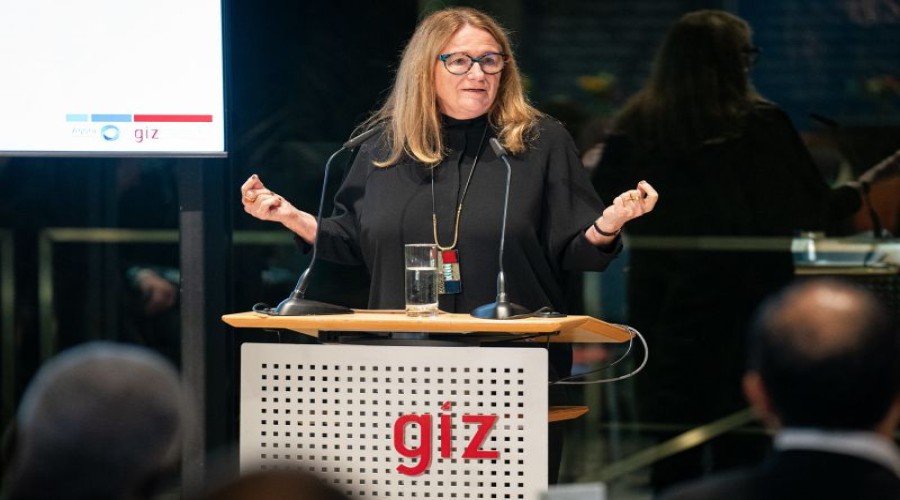
By: Nana Appiah Acquaye
Berlin
has hosted a high-level dialogue on advancing e-mobility in Africa, bringing
together policymakers, industry leaders, and development partners to explore
strategies for a sustainable electric transportation future. The session,
co-organized by GIZ and Agora Verkehrswende, highlighted concrete progress
across the continent.

Key
examples presented included Ethiopia’s ban on vehicle imports with combustion
engines, Kenya’s 7% of new motorcycles now electric, Senegal’s fully electric
BRT in Dakar carrying up to 300,000 passengers daily and creating 1,000 new
jobs, and Morocco’s push to become a regional hub for EV and battery
manufacturing with a target of 100,000 vehicles by 2025.
The
discussions emphasized that Africa is actively shaping its mobility transition,
with implications for climate outcomes, energy security, and economic growth.
Panelists stressed the importance of collaboration among African nations,
Germany, Europe, and the private sector to foster innovation, green jobs, and
inclusive economic opportunities.

Participants
agreed that the continent’s e-mobility pathway represents both a climate action
priority and a catalyst for economic diversification, stronger local value
chains, and reduced dependence on fossil fuel imports, paving the way for
sustainable, equitable growth.