South Africa’s Minister of Science, Technology and Innovation describes science journalism as a critical tool for social justice
Date: 2025-12-02
By: Nana Appiah Acquaye
Minister
of Science, Technology and Innovation, Prof. Blade Nzimande has positioned
science journalism as a critical tool for social justice, emphasizing its role
beyond mere information dissemination.
In
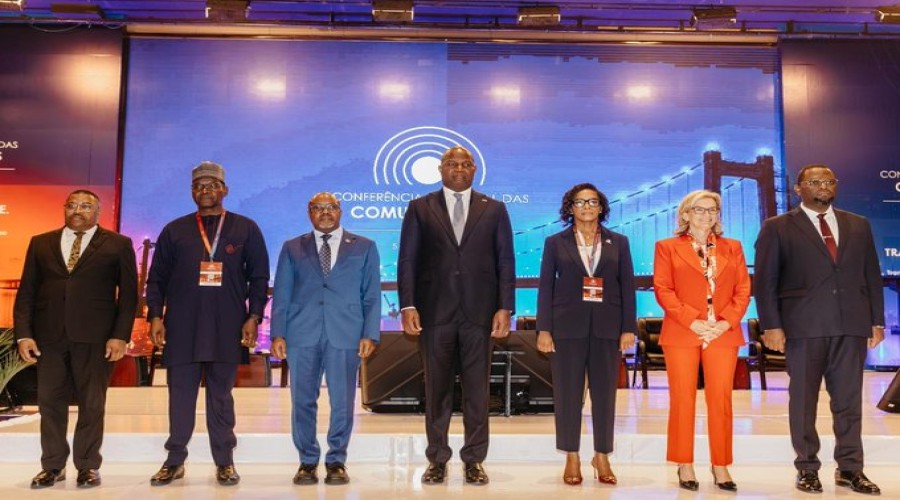
his opening address at the ongoing World Conference of Science Journalists 2025
(WCSJ25), Prof. Nzimande confronted challenging issues facing the field,
including the targeting of journalists by AI technologies in conflict zones,
which has resulted in over 248 journalist deaths since October 2023. He also
addressed the role of nations supplying weapons to regimes accused of human
rights violations.

The
minister urged delegates to reflect on science journalism’s responsibility in
promoting justice, combating misinformation, integrating AI ethically, and
addressing capacity disparities between the Global South and North.
He
highlighted the Department of Science and Technology’s Science Engagement
programme, which strategically places 40 journalism graduates annually in
mainstream and community media. This initiative builds on a 2022 survey
indicating that television, internet, and radio remain the primary sources of
science information for the public.

Prof.
Nzimande also noted that the G20 Leaders’ Summit endorsed this work, committing
to implement the G20 Recommendations on Science Engagement aimed at broadening
participation and making science accessible to all. He described the conference
as a key platform for leveraging science journalism to advance science
diplomacy and global solidarity.