COP30 closes with strong momentum toward accelerated climate action
Date: 2025-11-22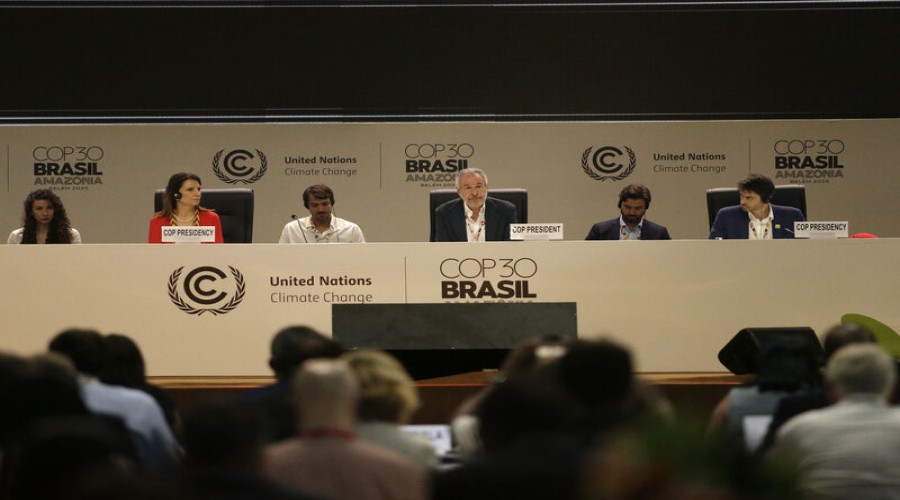
By: Nana Appiah Acquaye
COP30
has concluded with a clear signal that the global climate agenda is shifting
decisively from ambition to implementation. Over two weeks, Belém became a
focal point for advancing practical solutions, reinforcing multilateral
cooperation and grounding climate action in the lived experiences of
communities worldwide.
The
conference delivered progress across key areas, including the swift
operationalization of the Fund for Responding to Loss and Damage, new
commitments to adaptation, expanded forest finance, strengthened food systems
initiatives and the advancement of the Global Mutirão. Delegates emphasized
that implementation, rather than negotiation, is now driving global climate
efforts.
The
COP30 Presidency and Climate Champions marked advancements across the six axes
of the Action Agenda. The Global Climate Action Outcomes Report, released at
the close of the meeting, detailed achievements across 30 priority objectives.
A Five-Year Vision for Global Climate Action streamlined more than 480
initiatives into 117 Plans to Accelerate Solutions aligned with the First
Global Stocktake.

In
the energy, industry and transport axis, partners advanced a $1 trillion
investment plan to triple renewable energy capacity by 2030. Forests, oceans
and biodiversity efforts saw renewed commitments toward land-tenure support and
expanded protection of 160 million hectares, with a significant share of
funding directed to Indigenous Peoples and local communities. Agriculture and
food systems initiatives mobilized more than $9 billion for regenerative
practices benefiting millions of farmers and restoring vast landscapes.
Cities
and regions reported significant emissions reductions and new financing
mechanisms aimed at supporting 200 cities by 2028. The launch of the Belém
Health Action Plan, backed by $300 million in commitments, underscored the
growing integration of human and social development into climate planning.
Enablers and accelerators saw partners unveil a $1 trillion pipeline for
adaptation investment by 2028.
Global
mobilization efforts were also prominent. The Global Mutirão highlighted
people-centered climate solutions, while Indigenous and traditional communities
shared adaptation strategies rooted in ancestral knowledge. The Youth-Led
Climate Forum brought together young leaders from more than 100 countries,
amplifying calls for equitable climate finance and community-driven resilience.

COP30
ended with renewed confidence in collective action, demonstrating the impact of
coordinated efforts among governments, cities, investors, Indigenous Peoples,
youth and civil society in advancing global climate solutions.
Leave Your Comments
Trending News