UNOOSA concludes global conference on space law and policy with call for stronger sustainability measures
Date: 2025-11-20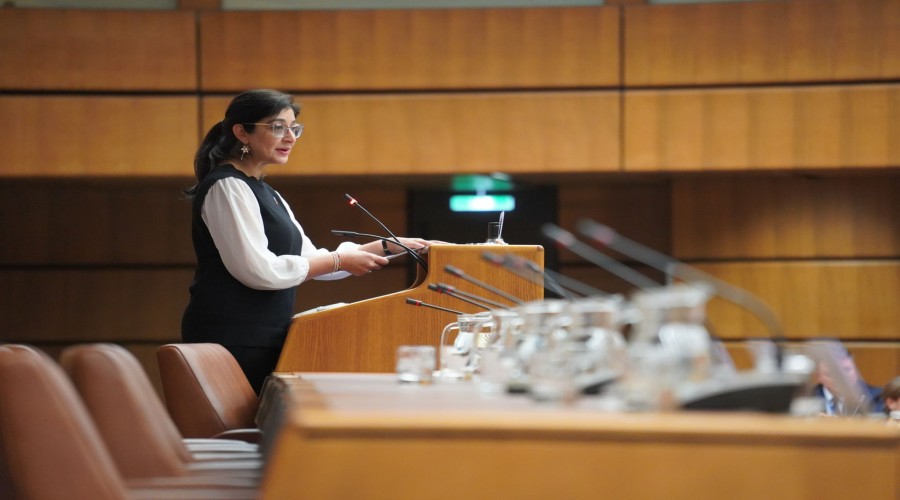
By: Nana Appiah Acquaye
The
United Nations Office for Outer Space Affairs (UNOOSA) has concluded the United
Nations Conference on Space Law and Policy: Operationalising Space
Sustainability, with experts highlighting the urgent need for coordinated
action to safeguard Earth’s orbital environment.

The
two-day conference examined the growing challenges posed by increasing space
activity, particularly the rise in space debris re-entries. With more countries
reporting space objects landing on their territory, delegates noted that the
Rescue and Return Agreement agreed in the 1960s is becoming increasingly
relevant in today’s rapidly evolving space landscape.
Technical
advancements such as active debris removal, on-orbit servicing, autonomous
operations and AI-enabled decision-making were identified as key developments
that will shape the next decade. Participants stressed that regulatory and
policy frameworks must keep pace to ensure these innovations support rather
than undermine long-term space sustainability.

Delegates
warned that failure to act could render Earth’s orbit unusable, emphasising
that moving from principles to practical implementation is both essential and
time-critical. UNOOSA reaffirmed that international cooperation remains
fundamental, as no single government, operator or manufacturer can ensure space
sustainability alone. Speakers called for more shared data, harmonised
standards and collective responsibility to protect the space environment for
future generations.
Leave Your Comments
Trending News