Guinea launches Pillar 3 of Simandou 2040 Programme
Date: 2025-11-14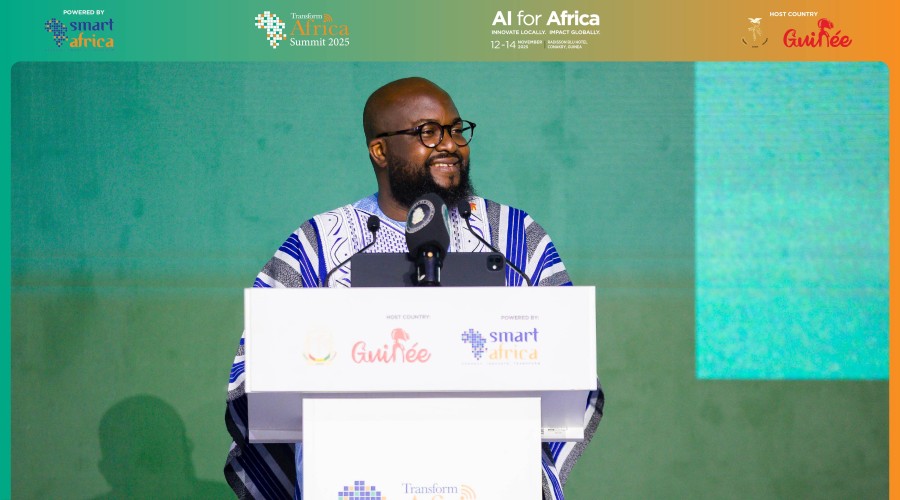
By: Nana Appiah Acquaye
Guinea
has taken a significant step in its digital transformation at the opening of the
second day of the Transform Africa Summit 2025 with the official launch of
Pillar 3 of the Simandou 2040 Programme. The initiative aims to position
digital technology not merely as a tool, but as a core infrastructure for the
country’s future, creating modern services and promoting inclusion for all
citizens.
The
launch presided over by Mr. Djiba Diakité, Minister and Chief of Staff to the
Presidency, reflects the vision of President His Excellency Mamadi Doumbouya to
equip Guinea with technological foundations that enhance national
competitiveness and economic sovereignty.

Following
the launch, a high-level panel discussion explored the theme “Digital
Technology, Lever for Sovereignty, Inclusion, and Competitiveness.” The panel
included H.E. Mrs. Djami Diallo, Minister of the Environment and Sustainable
Development; Mrs. Malmouna Diakhabaly, Adviser to the Presidency; Mr. Melissa
Tall, Partner at KPMG West Africa; and Mr. Thierno Habib Hann, Managing
Director of Shelter Afrique Development Bank. The discussion was moderated by
H.E. Dr. Diaka Sidibé, Minister of Industry and SMEs.
Panelists
debated strategic priorities, decision-making processes, and approaches to
ensure that technology serves Guinea’s interests while addressing local
realities. The dialogue emphasized the role of digital infrastructure in
fostering economic inclusion, national competitiveness, and technological
self-reliance.
“Digital
technology is no longer a secondary tool; it is a strategic infrastructure that
underpins our sovereignty and competitiveness,” said one panelist. “Guinea is
determined not to follow global trends but to initiate and invent solutions
that meet our specific needs.

Pillar
3 of the Simandou 2040 Programme reflects Guinea’s commitment to leveraging
technology as a transformative force in governance, business, and social
development. By prioritizing digital sovereignty, the country aims to
strengthen its position in the regional and global digital economy while
ensuring inclusive access for all citizens.