Nigeria enhances data protection ties with Somalia through virtual knowledge exchange
Date: 2025-07-25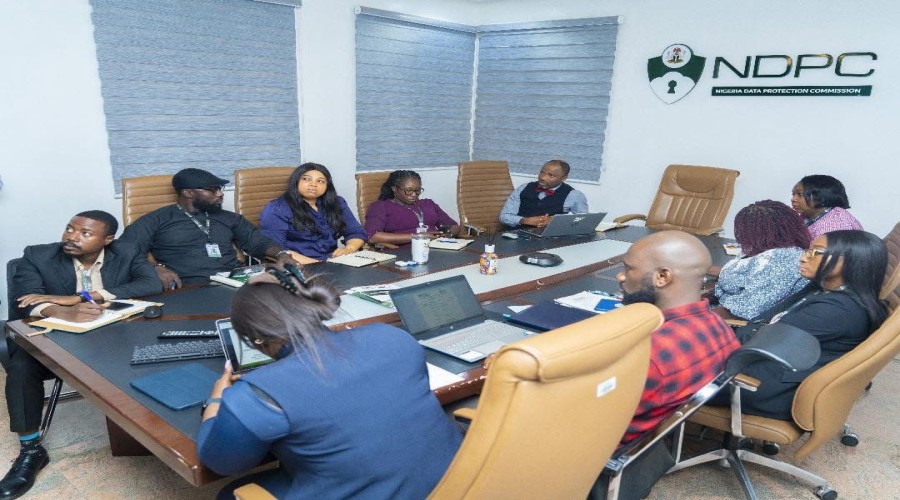
The Nigeria Data Protection Commission (NDPC) has hosted Somalia’s Data Protection Authority for a virtual study tour. This engagement follows the recent signing of a Memorandum of Understanding (MoU) between the two nations, marking a new phase of collaboration in strengthening data protection frameworks across Africa.
The virtual sessions provided Somalia’s delegation with an in-depth look at Nigeria’s data protection ecosystem, including its regulatory models, operational strategies, and enforcement mechanisms. Representing the NDPC’s National Commissioner/CEO, Dr. Vincent Olatunji, Barrister Babatunde Bamigboye, Head of Legal, Enforcement, and Regulations, delivered the opening remarks, emphasizing the value of international partnerships in advancing data privacy standards.

During the
training, Barrister Bamigboye explored Nigeria’s evolving data protection
mandate, highlighting key aspects of its regulatory framework. He underscored
the importance of cross-border data transfer policies and the development of
robust legal instruments to safeguard personal information in an increasingly
digitalized world. The session reinforced the mutual benefits of knowledge
sharing, particularly in fostering sustainable data governance practices
tailored to regional needs.
Further insights came from Mrs. Watira Fitto, the NDPC’s Head of People Management and Administration, who detailed the Commission’s organizational structure and strategic roadmap. She walked participants through operational tools, including data breach notification protocols and incident response mechanisms, while also outlining the ethical standards guiding the NDPC’s workforce.
This virtual
study tour exemplifies the growing emphasis on intra-African collaboration in
digital policy. By sharing expertise and best practices, Nigeria and Somalia
aim to harmonize their approaches to data protection, ensuring compliance with
global standards while addressing local challenges. The initiative aligns with
broader continental efforts to build resilient, rights-based digital
economies.
By: Robert Annor