By: Nana
Appiah Acquaye
The World Health
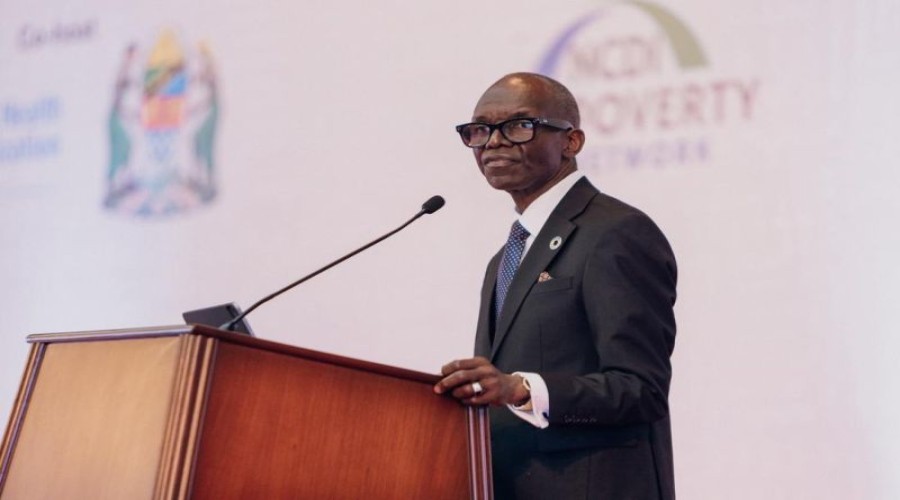
Organization Regional Director for Africa, Mohamed Janabi, has emphasized the
importance of strengthening access to care for noncommunicable diseases across
the continent, as African countries continue to expand community-based
treatment models.
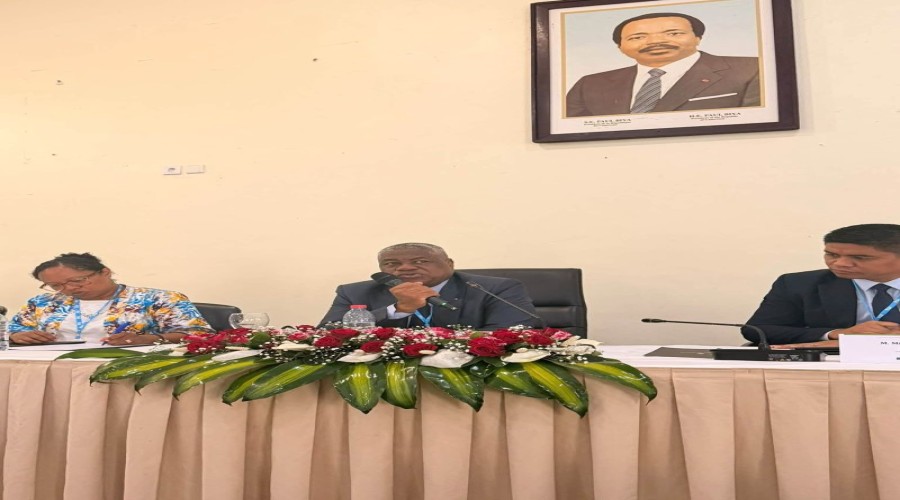
Speaking at the opening of ICPPA2026,
Janabi reflected on his clinical experience in Tanzania, noting the persistent
challenge of patients travelling long distances to access healthcare, often
arriving at advanced stages of illness.
He underscored the relevance
of the conference in addressing these challenges through scalable and
accessible healthcare solutions, particularly the expansion of the PENPlus
initiative. The programme is designed to decentralise care for severe
noncommunicable diseases and bring essential services closer to communities.
According to Janabi, more
than 170,000 people across 20 African countries are currently receiving care
through PENPlus-supported services, marking a significant step forward in
improving access to treatment and reducing delays in care delivery.
He noted that the progress
achieved so far demonstrates that effective solutions already exist within the
region, but stressed the need for stronger implementation to ensure that these
services reach all individuals in need.
The remarks highlight
growing efforts by health authorities across Africa to strengthen primary
healthcare systems and improve outcomes for patients with chronic and complex
conditions through integrated and community-focused care models.