By: Nana
Appiah Acquaye
The world's dependence on
fossil fuels is fuelling both the climate crisis and global energy insecurity,
according to António Guterres, who has called for an accelerated transition to
clean energy as a pathway to a safer, more resilient and equitable future.
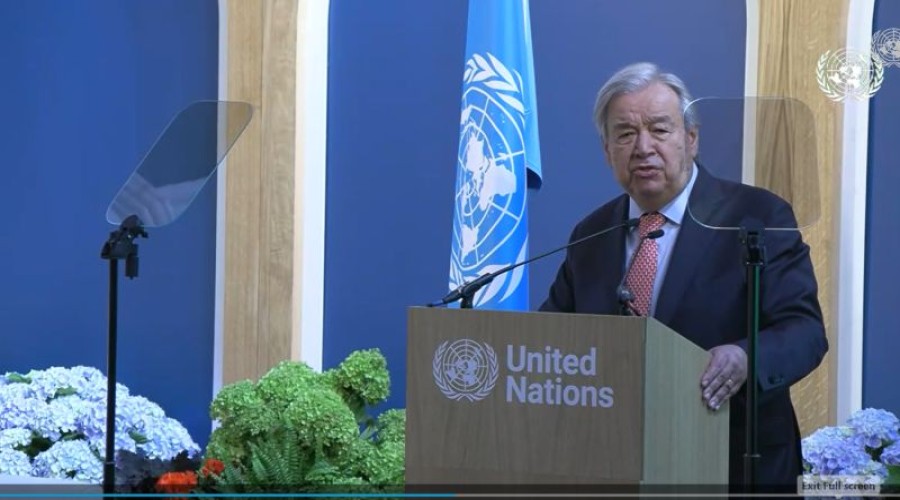
Speaking at the London
Climate Action Week, the United Nations Secretary-General urged governments,
businesses and financial institutions to intensify efforts to reduce greenhouse
gas emissions, strengthen climate resilience and advance climate justice for
vulnerable populations.
Framing his remarks around
what he described as a "Tale of Two Crises," Guterres argued that
climate change and energy insecurity are deeply interconnected challenges
driven by the world's continued reliance on fossil fuels. He emphasized that addressing
both crises requires a rapid and fair shift towards renewable energy sources,
supported by increased investments in climate adaptation and resilience
measures.
The Secretary-General warned
that the consequences of climate change are becoming increasingly evident
across the globe. He noted that the planet has experienced its 11 hottest years
on record, with rising temperatures contributing to more frequent and severe
droughts, floods, heatwaves and other extreme weather events. These impacts are
placing growing pressure on economies, ecosystems and communities, particularly
in developing countries that have contributed the least to global emissions.
Guterres also highlighted
scientific projections indicating that global temperatures are likely to exceed
the critical 1.5°C threshold in the coming years. Such an outcome, he warned,
would heighten the risk of irreversible climate tipping points, including
widespread coral reef loss, accelerated melting of polar ice sheets and
significant disruptions to global weather systems.
He stressed that the
transition to clean energy is not only an environmental necessity but also an
economic opportunity. Renewable energy technologies are becoming increasingly
affordable and can enhance energy security, create jobs and support sustainable
development while reducing dependence on volatile fossil fuel markets.