Kenya launches DigiKen financing initiative to support digital startups and MSMEs
Date: 2026-03-17
By: Kanto Kai Okanta
Kenya
has launched a new digital financing initiative, DigiKen, aimed at unlocking
capital for local technology platforms and startups as part of efforts to
strengthen the country’s digital economy.
The
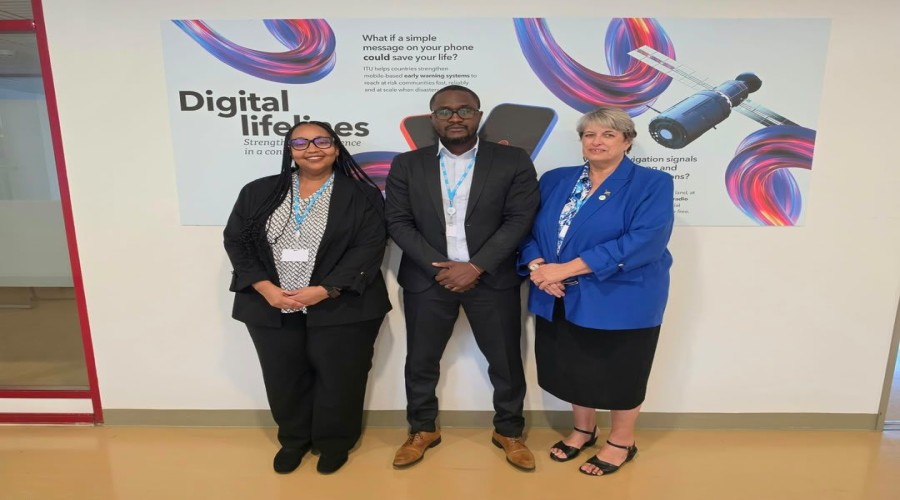
initiative was unveiled during a signing ceremony attended by Principal
Secretary for ICT and Digital Economy, John Kipchumba Tanui, alongside Stephen
Jackson, European Union Deputy Ambassador Ondrej Simek, and representatives
from the United Nations Capital Development Fund, the European Union, and
Co-operative Bank of Kenya.

DigiKen
introduces a risk-sharing financing model designed to address limited access to
capital, one of the key challenges facing digital entrepreneurs. The mechanism
aims to de-risk investments while promoting financial discipline and long-term
sustainability within the innovation ecosystem.
The
programme aligns with Kenya’s Bottom-Up Economic Transformation Agenda and the
national Digital Masterplan, which prioritise the expansion of digital
infrastructure and services. Government data indicates that more than 40,000
kilometres of fibre optic cable have already been deployed across the country,
while the eCitizen platform now serves over 16 million users and processes
approximately 500,000 transactions daily.
Officials
said DigiKen is expected to play a catalytic role in supporting micro, small
and medium enterprises by enabling them to adopt digital solutions, expand
operations and access new markets. The initiative is also positioned to drive
job creation and enhance the contribution of digital platforms to Kenya’s gross
domestic product.

Under
the partnership, the Co-operative Bank of Kenya will facilitate the
disbursement of financing to eligible digital enterprises, ensuring that local
innovation is supported with the necessary capital to scale.
The
launch reflects Kenya’s broader strategy to leverage public-private
partnerships to accelerate inclusive digital transformation and position the
country as a competitive player in the regional digital economy.