By: Nana
Appiah Acquaye
Namibia has reaffirmed its
commitment to expanding universal and meaningful connectivity, strengthening
artificial intelligence (AI) and cybersecurity capacity, and promoting digital
inclusion as part of efforts to ensure equitable participation in the digital
economy.
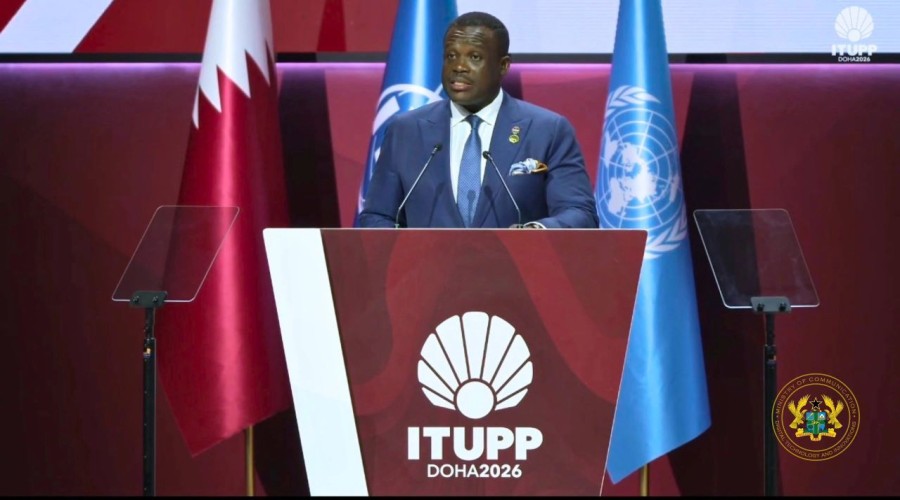
The Minister of Information
and Communication Technology, Hon. Emma Theofelus, outlined the country's
priorities in Namibia’s policy statement delivered on November 8, 2026, at the
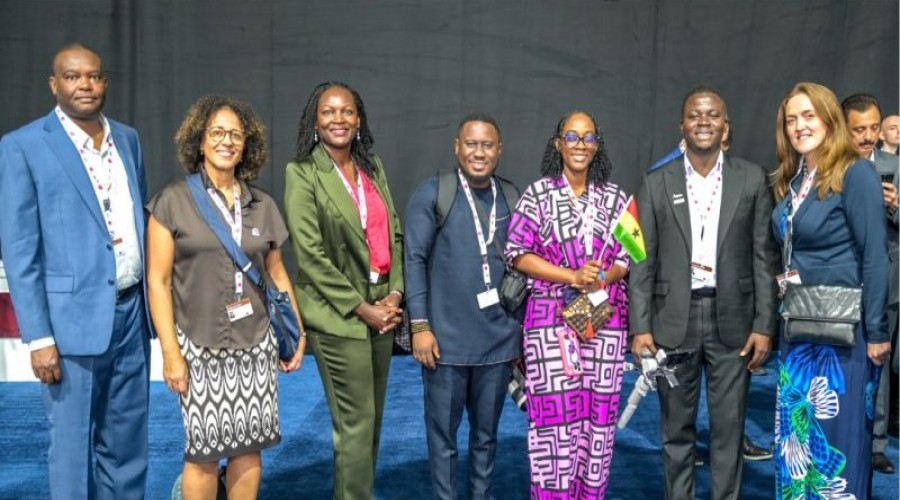
22nd International Telecommunication Union (ITU) Plenipotentiary Conference
(PP-26) in Doha, Qatar.
The Minister noted that
Namibia had achieved over 89 per cent mobile broadband population coverage but
continued to face challenges relating to affordability, digital literacy,
access to devices and locally relevant content.
She emphasised the
importance of extending connectivity to rural communities, creating
opportunities for young people and ensuring equal access to digital
opportunities for women, girls and persons with disabilities.
Theofelus also highlighted
Namibia’s commitment to connecting all public schools and clinics by 2030, as
the country seeks to strengthen access to digital services and improve
participation in the digital society.
On emerging technologies,
the Minister underscored the need to advance the country's artificial
intelligence and cybersecurity capabilities as part of its broader digital
transformation agenda.
Namibia reaffirmed its
commitment to working with fellow ITU Member States towards a secure, inclusive
and accessible digital future, where everyone can participate meaningfully in
the digital society by 2031.