By: Van
Soul Addey
Ghana’s Minister for
Communication, Digital Technology and Innovations, Hon. Samuel Nartey George,
has urged African countries to take a more active role in shaping global
internet governance and artificial intelligence (AI) policies to ensure the
continent’s interests and priorities are reflected in decisions about the
digital future.
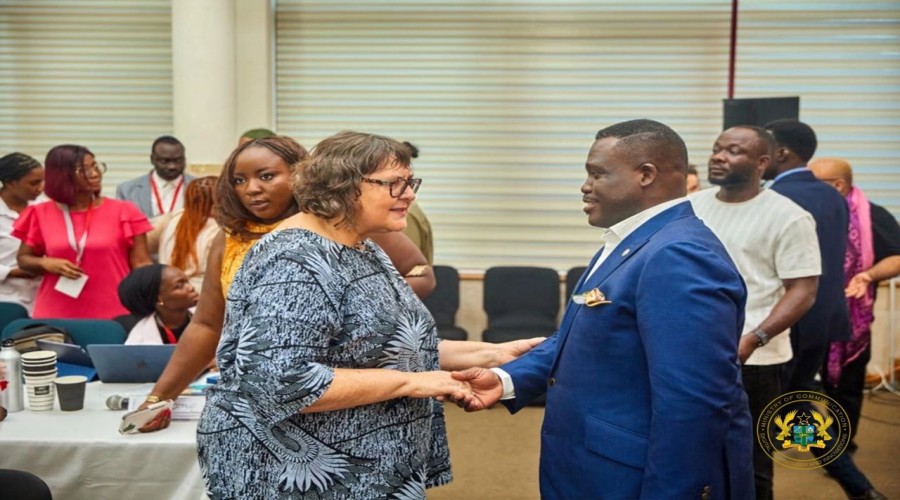
He made the call at the
closing ceremony of the 2026 African School of Internet Governance (AfriSIG),
held at the Ghana-India Kofi Annan Centre of Excellence in ICT in Accra.
The Minister said Africa
must move beyond being a consumer of technologies and policies developed
elsewhere and become an active participant in setting global digital standards.
He noted that the
continent’s growing youthful population presented a significant opportunity to
influence the future of the internet, stressing the need for stronger African
representation in international internet governance institutions and decision-making
processes.
On artificial intelligence,
Hon. George warned that systems developed without adequate African data,
languages and perspectives could misrepresent the continent and deepen existing
inequalities. He called for greater investment in digital skills, computing
capacity, data infrastructure and local innovation, supported by strong data
protection and accountability frameworks.
He also emphasised the need
for a united African position in global digital policy discussions, including
engagements at the Internet Governance Forum, the International
Telecommunication Union and other international standard-setting platforms.
As Chair of the African
Union Specialised Technical Committee on Communication and ICT, the Minister
reaffirmed his commitment to championing Africa’s interests in these
engagements.
Hon. George, an alumnus of
the 2023 AfriSIG programme in Abuja, Nigeria, further highlighted Ghana’s
commitment to building digital capacity through initiatives such as the One
Million Coders Programme, which seeks to equip young people with relevant skills
to participate in the digital economy.
Addressing the AfriSIG 2026
graduates, he urged them to translate the knowledge gained into practical
action by contributing to sound digital policies, effective regulation and
inclusive internet governance in their respective countries.
He commended the programme’s
convenors and partners for their contribution to strengthening internet
governance capacity across Africa and congratulated the graduates, reminding
them that they had a responsibility to help shape a digital future that works
for all Africans.