By: Nana
Appiah Acquaye
The Communications
Regulators’ Association of Southern Africa (CRASA) has reinforced its
commitment to regional digital integration through a high-level engagement with
the Southern African Development Community (SADC) Secretariat in Gaborone.
The engagement followed
Malawi’s assumption of the CRASA Chairpersonship, with Mayamiko Nkoloma
undertaking a courtesy visit to the SADC Secretariat on June 9, 2026 as part of
his induction programme.
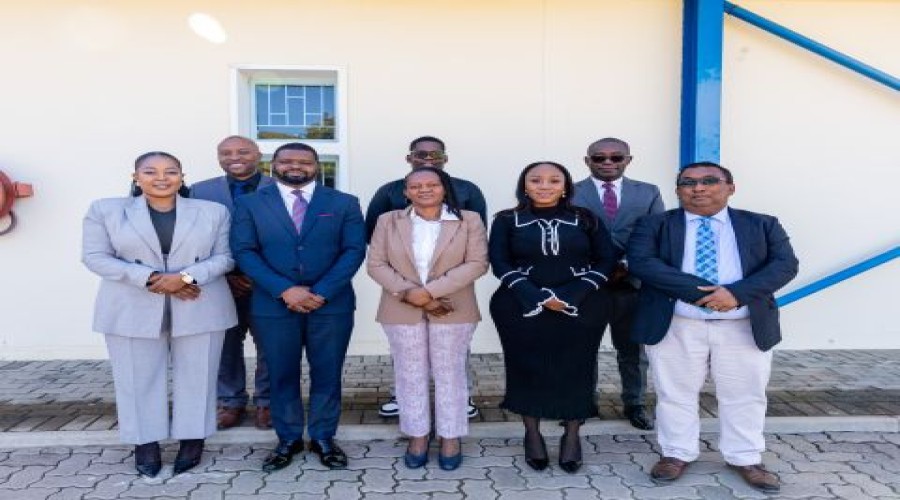
He was accompanied by Brian
Mwansa and members of the CRASA Secretariat. The delegation was received by the
SADC Directorate of Infrastructure, led by Director Rauna Mukumangeni, who
congratulated the new Chairperson and reaffirmed CRASA’s role in supporting
SADC’s regional integration and digital development priorities.
Discussions centred on
strengthening coordination between CRASA and SADC through improved alignment of
work programmes and annual calendars, aimed at enhancing participation in joint
initiatives and improving the delivery of regional ICT priorities. Both
institutions also emphasized the importance of timely preparation for
ministerial meetings, including earlier circulation of CRASA submissions to
ensure broader consultation among Member States.
Further deliberations
highlighted the need to expand stakeholder engagement and deepen collaboration
with regional and international partners to support knowledge sharing, resource
mobilisation, and effective programme implementation. The meeting also encouraged
CRASA to strengthen its presence in regional processes and improve coordination
mechanisms to enhance efficiency.
A key outcome of the
engagement was renewed emphasis on expanding CRASA membership to include all
SADC Member States, with particular encouragement for Madagascar and Seychelles
to join the association in order to strengthen regulatory harmonisation and regional
integration in the ICT sector.
The meeting concluded with a
shared commitment by CRASA and SADC to deepen cooperation and advance a
coordinated approach to building a connected, secure, and digitally empowered
Southern Africa, with stronger institutional alignment seen as central to achieving
regional digital transformation goals.