By: Nana
Appiah Acquaye
The United Nations Office
for Outer Space Affairs has launched two new global initiatives aimed at
expanding the use of space technologies to support industrial development,
disaster resilience, and sustainable development efforts around the world.
The initiatives, known as
Space4Industry and Space4Resilience, were unveiled through partnerships with
international organizations and private sector stakeholders during a series of
collaborative engagements.
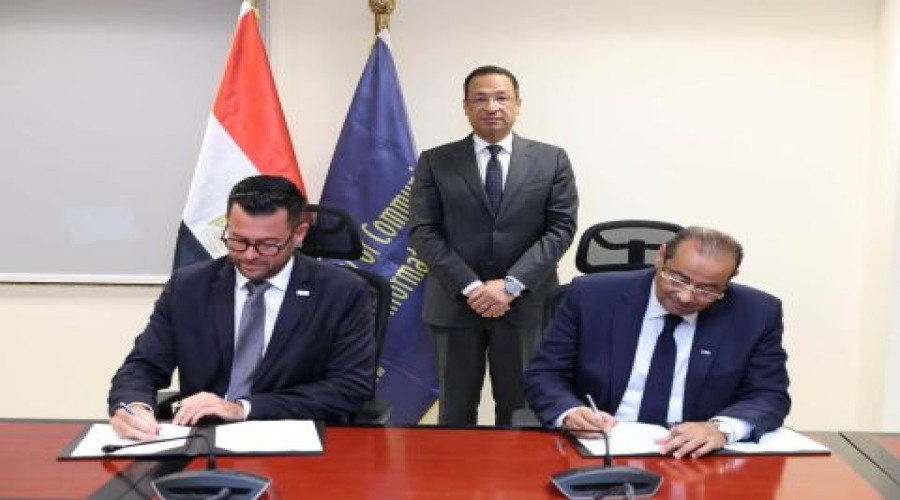
Space4Industry was launched
through a Joint Declaration signed by UNOOSA and the United Nations Industrial
Development Organization. The platform is designed to help countries harness
space technologies to strengthen industries, improve resilience, and advance
sustainable economic development.
At the same time, UNOOSA,
The Commonwealth, and SpaceData Inc. launched Space4Resilience, an initiative
focused on enhancing disaster preparedness and resilience through expanded
access to satellite data.
The programme will provide
support to all 56 Commonwealth member states, with particular attention to
Small Island Developing States and countries that face heightened exposure to
climate-related risks.
According to UNOOSA, the
initiative will leverage SpaceData’s artificial intelligence-powered digital
twin technology to simulate hazards such as floods, sea-level rise, and other
climate-related threats, enabling governments to strengthen preparedness and
response planning.
The collaboration is already
being applied in practice through a joint project involving UNOOSA, UNIDO, and
SpaceData in the Brazilian state of Rio Grande do Sul. The partners are working
to develop flood simulation models and improve industrial resilience in the
region.
Officials said both
initiatives are built on the principle that countries should serve as active
partners and co-creators in the development and application of space-based
solutions rather than simply being beneficiaries of assistance.
Capacity-building will
remain a central component of the programmes, supported in part through
UNOOSA’s UN-SPIDER programme, which helps countries transform satellite data
and space-based information into practical tools for decision-making and
disaster management.
UNOOSA said the initiatives
demonstrate how cooperation among international organizations, governments, and
private sector partners can deliver innovative solutions to address development
challenges, strengthen resilience, and improve outcomes for communities facing
increasing environmental and economic pressures.