By:
Nana Appiah Acquaye
The
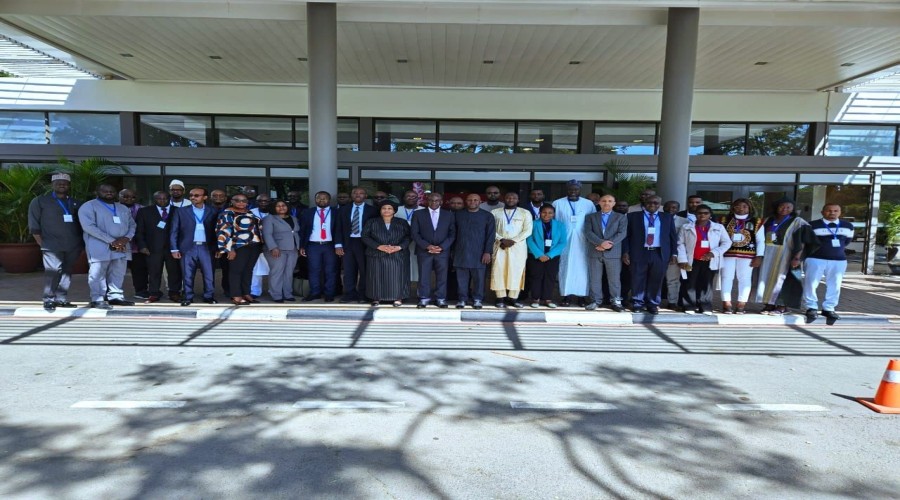
21st African Continental Climate Outlook Forum (ACCOF-21) has officially opened
in Lusaka, Zambia, bringing together climate scientists, policymakers, user
communities, and development partners to strengthen Africa’s readiness for the
anticipated El Niño 2026/2027 event. The forum is being convened under the
theme “Preparing Africa for El Niño 2026/2027: Strengthening Readiness to
Anticipate and Manage Climate Shocks.”
Organized
by the African Union through the ClimSA programme in collaboration with the
African Centre of Meteorological Applications for Development (ACMAD), the
forum aims to deepen shared understanding of climate risks across the
continent, harmonize seasonal climate outlooks, and improve the translation of
forecasts into practical guidance for climate-sensitive sectors such as
agriculture, water resources, health, and disaster risk management.
At
the opening of the technical sessions, speakers underscored the urgency of
shifting from climate information production to actionable early warning
systems that support decision-making at all levels.
Officials
emphasized that Africa must strengthen preparedness systems to reduce
vulnerability to climate shocks, noting that the focus is no longer on whether
such events will occur, but on how effectively countries can anticipate and
manage their impacts. They also highlighted that the success of ACCOF-21 will
depend on how effectively climate forecasts are converted into timely and
meaningful action on the ground.
Participants
further stressed the need to institutionalize anticipatory action mechanisms,
improve coordination among meteorological services and sectoral agencies, and
reinforce regional collaboration to ensure more resilient climate response
systems.
The
forum also highlighted the structural constraints facing the continent, with
experts noting that Africa’s limited resources and infrastructure heighten its
exposure to climate variability. As a result, stronger early warning systems
and proactive planning were identified as essential tools for reducing
potential impacts.
ACCOF-21
is expected to conclude with enhanced consensus on continental climate outlooks
and strengthened frameworks for integrating climate information into national
and regional planning processes.