By:
Robert Kwaku Annor
Egypt
has reaffirmed its commitment to strengthening cybersecurity, digital
sovereignty, and emerging technology readiness as the country pursues a
comprehensive strategy for a secure digital future.
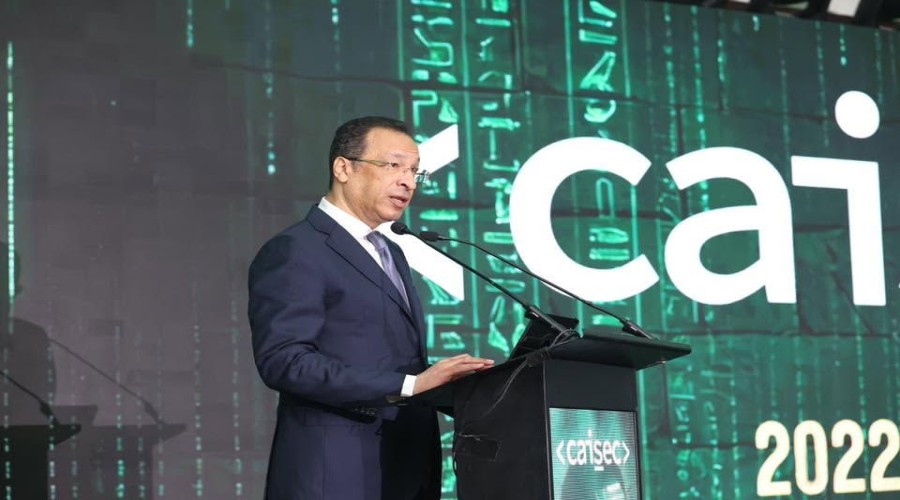
Speaking
at the opening of the fifth Cyber and Information Security Exhibition and
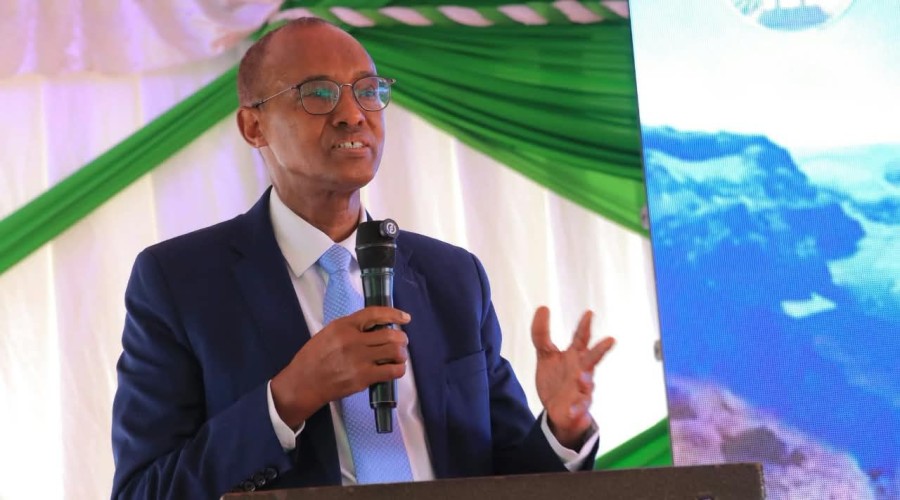
Conference (CAISEC 2026) in Cairo, Egypt’s Minister of Communications and
Information Technology, Raafat Hendy, outlined the government’s efforts to
enhance cyber resilience, protect critical digital infrastructure, and support
innovation in the digital economy.
Held
under the patronage of Prime Minister Mostafa Madbouly, CAISEC 2026 brought
together more than 180 speakers and over 5,000 participants from 22 countries
under the theme “Guarding the Future: Securing the Unpredictable.”
The
minister said Egypt continues to implement its National Cybersecurity Strategy
2023–2027 through the Egyptian Supreme Cybersecurity Council, while
preparations are already underway for the next phase of the strategy to address
rapidly evolving technological developments and emerging risks.
He
noted that cybersecurity has become a central pillar of economic development,
digital trust, and national security, stressing that protecting digital
infrastructure and assets is now essential to safeguarding national interests
and ensuring the continuity of critical services.
Hendy
also highlighted Egypt’s ambition to position itself as a regional hub for data
and digital services through continued investments in data centres, cloud
computing infrastructure, and digital connectivity. He described data centres
as critical infrastructure for the digital economy, supporting data hosting,
artificial intelligence applications, and digital service delivery.
Addressing
emerging technologies, the minister pointed to the opportunities and challenges
presented by artificial intelligence and quantum computing. He announced that
the National Council for Artificial Intelligence has expanded its mandate to
become the National Council for Artificial Intelligence, Quantum Computing, and
Emerging Technologies, enabling Egypt to prepare for future technological
developments and strengthen its competitive position.
The
minister further disclosed that 45 companies have been authorised as
cybersecurity service providers as part of efforts to expand the country’s
cybersecurity ecosystem and improve the quality of services available to
businesses and government institutions.
Human
capital development also featured prominently in the government’s strategy.
Hendy highlighted several national capacity-building programmes, including
Digital Egypt Generations, Digilians, the Cybersecurity Academy for Juniors and
Youth, and the Mahara-Tech platform, aimed at developing a skilled
cybersecurity workforce.
He
also referenced the launch of the Wa3i.net platform, developed in collaboration
with the National Council for Childhood and Motherhood and the United Nations,
to promote digital citizenship, online safety, and responsible technology use.
The
minister concluded by emphasizing the importance of international cooperation
in addressing cybersecurity challenges, noting that no country can effectively
tackle cyber threats in isolation. He reaffirmed Egypt’s commitment to working
with regional and global partners to enhance cybersecurity, strengthen digital
sovereignty, and prepare for the future of technology.
The
conference attracted senior government officials, regulators, cybersecurity
experts, and technology industry leaders from across Africa, the Middle East,
and Europe to discuss evolving cyber threats, digital resilience, and the
future of information security.