Digital affordability takes center stage at World Bank–IMF Spring Meetings
Date: 2026-04-16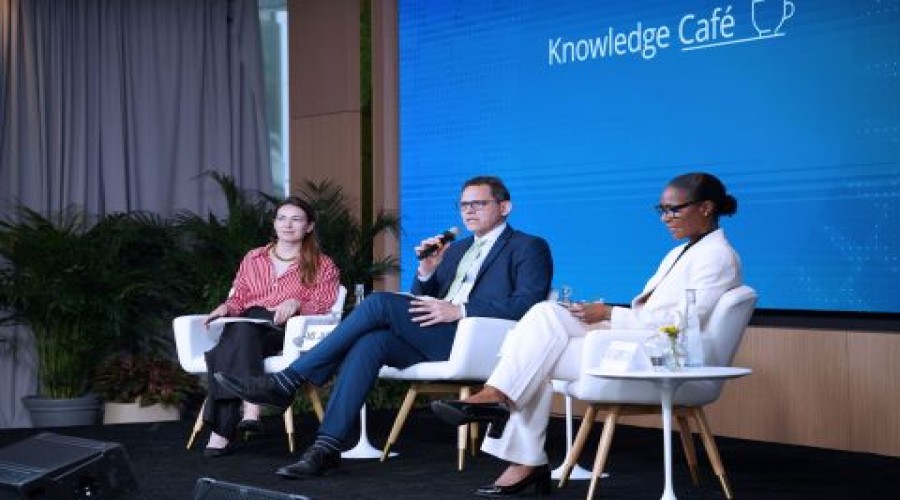
By: Nana Appiah Acquaye
Digital
affordability has emerged as a critical issue for Africa’s economic growth and
job creation, as stakeholders gathered at the 2026 World Bank Group–IMF Spring
Meetings to examine barriers to meaningful internet access across the
continent.
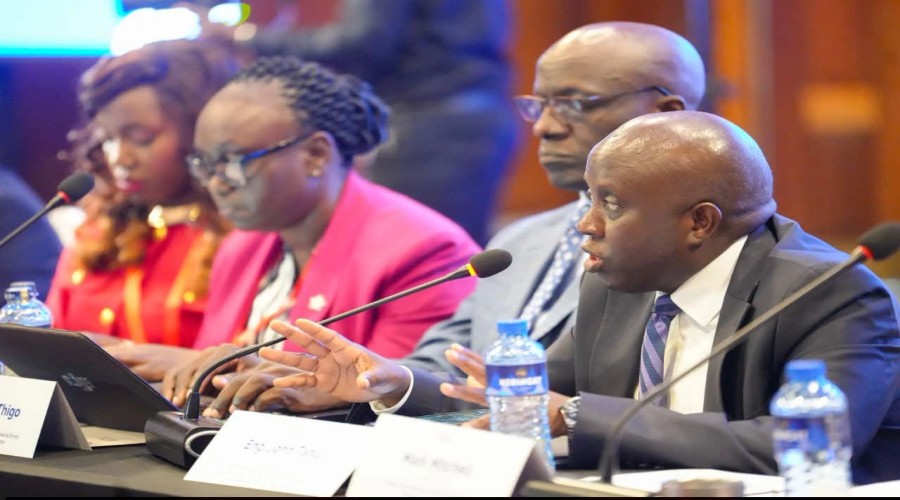
During
a Knowledge Café session organized by the World Bank Group’s Digital & AI
team, policymakers, industry leaders, and development partners explored how the
cost of devices, data, electricity, and digital skills continues to limit
access, despite significant progress in network coverage.
Participants highlighted that while connectivity infrastructure has expanded across Africa, affordability challenges still prevent many individuals and businesses from fully participating in the digital economy. Addressing these constraints is seen as essential to unlocking opportunities for employment, entrepreneurship, and productivity, particularly as the continent’s workforce is projected to grow significantly in the coming decades.

The
session featured contributions from German Cufré of the World Bank Group, Alix
Jagueneau of the GSMA, and Vickie Robinson of Microsoft, who shared insights on
the policy, investment, and partnership approaches needed to close the digital
access gap.
Discussions
focused on the role of targeted policy interventions, increased investment, and
cross-sector collaboration in making digital access more affordable and
inclusive. Participants also emphasized the importance of aligning digital
strategies with broader economic development goals to maximize impact.
The
dialogue forms part of wider deliberations at the Spring Meetings, where global
leaders are examining how smart policies and innovation can drive job creation
and sustainable growth, with digital transformation playing an increasingly
central role in expanding economic opportunities.