By: Nana Appiah Acquaye
The
Global Center on AI Governance, in partnership with the United Kingdom’s
Foreign, Commonwealth & Development Office (FCDO), has launched the Global
AI Policy Training Programme aimed at strengthening international cooperation
on artificial intelligence by equipping policymakers and civil servants with
essential knowledge, skills, and networks.
The
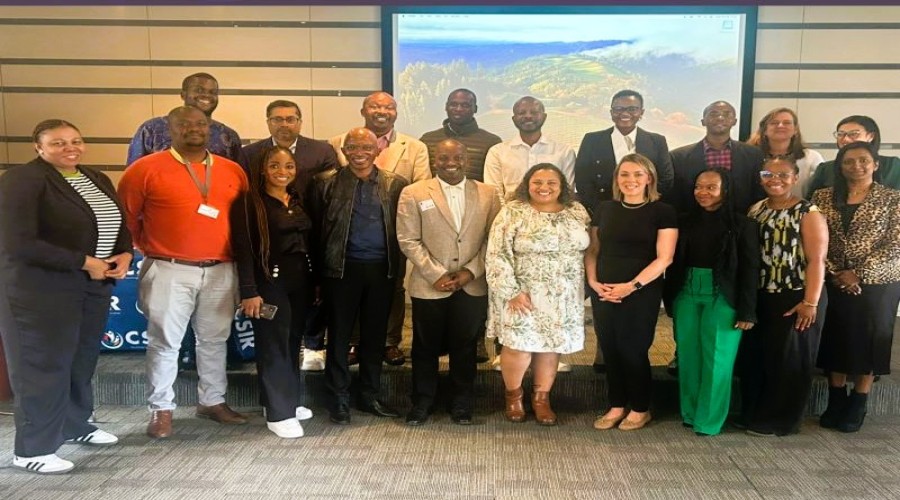
programme officially commenced in Pretoria with participants drawn from the
South African and UK governments. It is designed to support policymakers,
diplomats, and public sector leaders as they navigate the rapidly evolving AI
landscape amid rising geopolitical tensions and intensifying global competition
around emerging technologies.
As
artificial intelligence becomes increasingly central to economic growth,
national security, and global influence, the programme emphasizes the
importance of technology diplomacy in shaping global norms, standards, and
governance frameworks. It reflects a growing global trend in which governments
are embedding digital governance into foreign policy agendas and appointing
technology envoys to advance national interests. For African countries, the
initiative underscores the need for proactive engagement to ensure AI systems
align with local values, protect sovereignty, and promote inclusive
development.
The
training programme aims to deepen participants’ understanding of AI across
diverse global contexts, strengthen their capacity to design and implement
effective national and foreign AI policies, and enhance their ability to engage
confidently in international AI policy forums. These objectives align with a
broader commitment to democratic, transparent, and accountable AI governance
that serves the public interest and upholds human rights.
The
opening session was addressed by British High Commissioner Antony Phillipson,
who highlighted the importance of global collaboration in developing safe,
inclusive, and future-ready AI governance frameworks. The programme’s first
module was opened by Dr. Rachel Adams, Chief Executive Officer of the Global
Center on AI Governance, who provided an overview of the global dynamics
shaping national and international AI governance and stressed the urgency of
informed and context-sensitive policymaking.
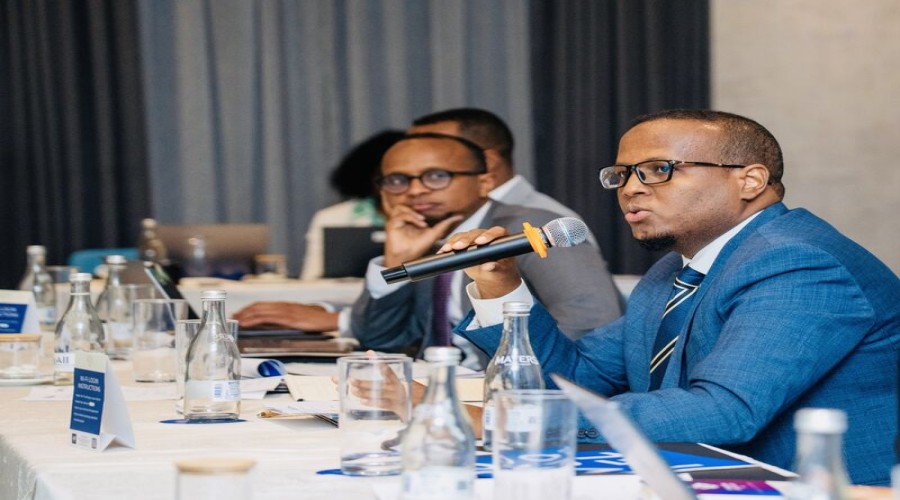
Participants
also engaged in a session led by Professor Vukosi Marivate, who presented on
frontier AI research in Africa. His discussion highlighted the continent’s
growing contributions to global AI development and emphasized the importance of
locally grounded innovation in shaping equitable and sustainable AI futures.
The
launch took place on the sidelines of South Africa’s Annual Science Forum, a
major platform for advancing scientific collaboration across Africa and
internationally. The forum’s focus on linking technology, innovation, and
societal impact provided a relevant backdrop for the programme’s objectives.
Delivered
over a six-month period, the Global AI Policy Training Programme seeks to build
a well-prepared cohort of leaders capable of engaging effectively in national,
regional, and international AI policy discussions. The initiative represents a
strategic investment in strengthening principled, inclusive, and cooperative AI
governance at a time of rapid technological change.