Kenya launches National AI Skilling Alliance to build a future-ready workforce
Date: 2025-10-24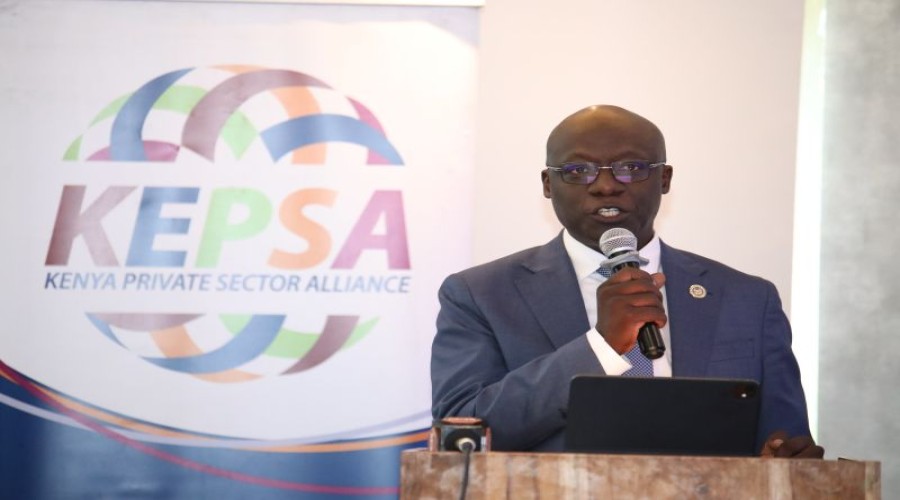
Kenya has taken a major step toward preparing its workforce for the digital future with the launch of the Kenya Artificial Intelligence Skilling Alliance (KAISA) — a national, multi-stakeholder platform aimed at coordinating AI skills development, innovation, and policy collaboration across key sectors of the economy.
The
initiative, launched jointly by the Kenya
Private Sector Alliance (KEPSA), Microsoft, and the Office of the Special Envoy on Technology,
seeks to position Kenya as a continental leader in AI-driven transformation by
equipping citizens with the knowledge and skills to thrive in the intelligent
era.

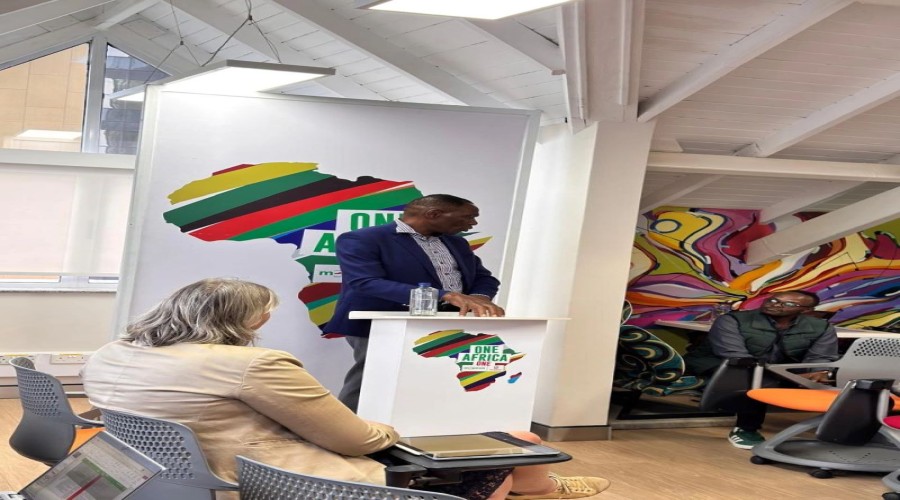
Speaking
at the launch, Ambassador Philip
Thigo, MBS, Kenya’s Special
Envoy on Technology for the President, emphasized that
artificial intelligence is no longer a futuristic concept but the driving force
of today’s economic and social transformation.
“AI
is today’s engine of transformation — from healthcare to agri-tech, education
to creative industries — it is redefining what’s possible. But its promise will
only be realized if we invest in people,” Ambassador Thigo said. “Kenya’s opportunity lies
not merely in adopting technology, but in building the skills, confidence, and
creativity to shape it.”
KAISA
establishes a coordinated national
framework that links skills to jobs, innovation to opportunity,
and technology to inclusion. It brings together government, private sector,
academia, civil society, and development partners to ensure that Kenya’s youth
and citizens are equipped to participate meaningfully in an AI-powered future.

According
to the organizers, the Alliance represents a collective commitment to build talent, strengthen
institutions, and harness partnerships that turn AI’s potential into tangible
outcomes — including job creation, entrepreneurship, and social good.
Ambassador
Thigo extended appreciation to key partners driving the initiative, including Dr. Ehud Gachugu (KEPSA), Somanna Palacanda, Phyllis Migwi, and Winnie Karanu, as well as
institutional partners such as the International
Labour Organization (ILO), UNESCO, Pathways
International US, and Moringa
School.
By: Kanto Kai Okanta